


-
Products
-
About Us
-
Roasters
-
Gifts
Most coffee subscription buyers don’t realize they’ve made a mistake until a bag of stale beans shows up, or three bags pile up on the counter at once. The most common coffee subscription mistakes buyers run into are surprisingly predictable: ordering too much, choosing the wrong grind, ignoring roast dates, and signing up for services that make it nearly impossible to pause or cancel. Each one chips away at the experience you signed up for. Here’s a clear-eyed look at every pitfall, and exactly how to sidestep it.
The most common buyer errors at a glance:
The single biggest mistake in subscription selection is treating it like a one-time purchase. A subscription shapes your coffee experience for months, so the criteria you use to choose it matter far more than the initial price.
Start by matching delivery frequency to your real consumption rate, not your aspirational one. Most subscribers overestimate how much they drink, and the result is a growing backlog of beans that age poorly. Track your actual usage for two weeks before committing to any frequency. If you brew one cup daily using an average amount of coffee, a standard 12 oz bag lasts approximately two weeks. That math should drive your delivery schedule, not a guess.
Pro Tip: Before you subscribe, count how many bags you go through in two weeks. That number is your frequency baseline. Start one tier lower than you think you need, then scale up.
Beyond frequency, look for these qualities in any subscription you consider:
A subscription that checks all six of these boxes is worth paying a little more for. One that checks only two or three is a risk, regardless of how appealing the branding looks.
Freshness is where most subscriptions quietly fail, and most buyers don’t notice until the coffee tastes flat. The fix starts with knowing what to look for before the bag even ships.
“Best By” dates are unreliable guides. The true freshness indicator is the roast date, and specialty coffee is best consumed between 7 and 45 days after roasting, depending on your brew method. Filter coffee hits its peak between 7 and 21 days post-roast; espresso benefits from a slightly longer rest, typically 14 to 45 days. Beans roasted within 24–48 hours of shipment arrive at their flavor peak. Any longer than that, and you’re already losing ground.
Freshness window: Specialty coffee is best consumed 7–45 days after roasting. Filter brews peak at 7–21 days; espresso at 14–45 days. A bag without a roast date makes this window impossible to track.
Single-roaster subscriptions tend to offer more consistent freshness because they roast to order, shipping within days of roasting. Multi-roaster curated boxes involve more complex logistics, and the gap between roasting and delivery is often longer, with freshness varying by supplier.
Once your beans arrive, storage matters just as much as shipping speed:
Getting the grind wrong is one of the most frustrating subscription mistakes because the beans might be excellent and the coffee still tastes terrible. Wrong grind size leads directly to watery or bitter results, and it has nothing to do with the quality of the roast.
The relationship between grind and extraction is straightforward. Too fine a grind for your method over-extracts the coffee, producing bitterness. Too coarse, and water passes through too quickly, leaving you with a weak, thin cup. Each brew method has a specific grind range it needs:
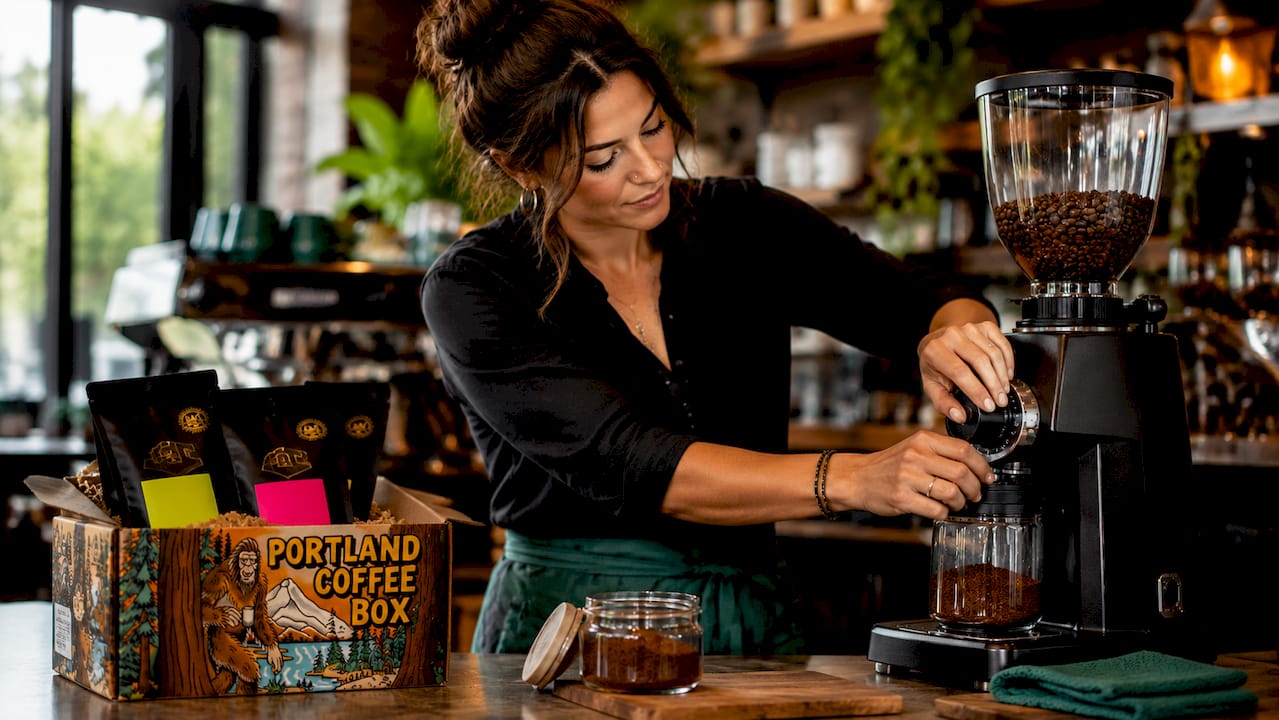
If your subscription ships pre-ground coffee, verify that they ask about your brew method and grind accordingly. Many services offer grind-to-order, which is a meaningful feature. Better still, order whole beans and grind at home with a burr grinder. Burr grinders produce a consistent particle size that blade grinders simply can’t match, and that consistency shows up directly in the cup.
A subscription’s cancellation policy tells you more about the service than any marketing copy will. Easy cancellation and no penalties signal that a roaster is confident in their product. Friction, such as 30-day written notice requirements, cancellation fees, or buried account settings, signals the opposite.
Transparency works the same way. A roaster who publishes roast dates, origin details, and farm-level traceability is showing their work. One who hides behind “roaster’s choice” mystery boxes without any origin information is often masking the absence of real specialty credentials. The term “specialty” has a specific industry meaning: a score of 80 or above on the SCA scale. A subscription using that word without evidence or traceability is marketing, not craft.
Before committing to any subscription, evaluate these flexibility markers:
A service that answers yes to all five is worth your trust. You can also learn how to pause or modify your subscription before you ever need to, so you’re not scrambling when life gets busy.
Sticking to the same origin or roast level month after month is one of the quieter subscription mistakes. It’s comfortable, but it closes the door on what makes specialty coffee genuinely exciting.
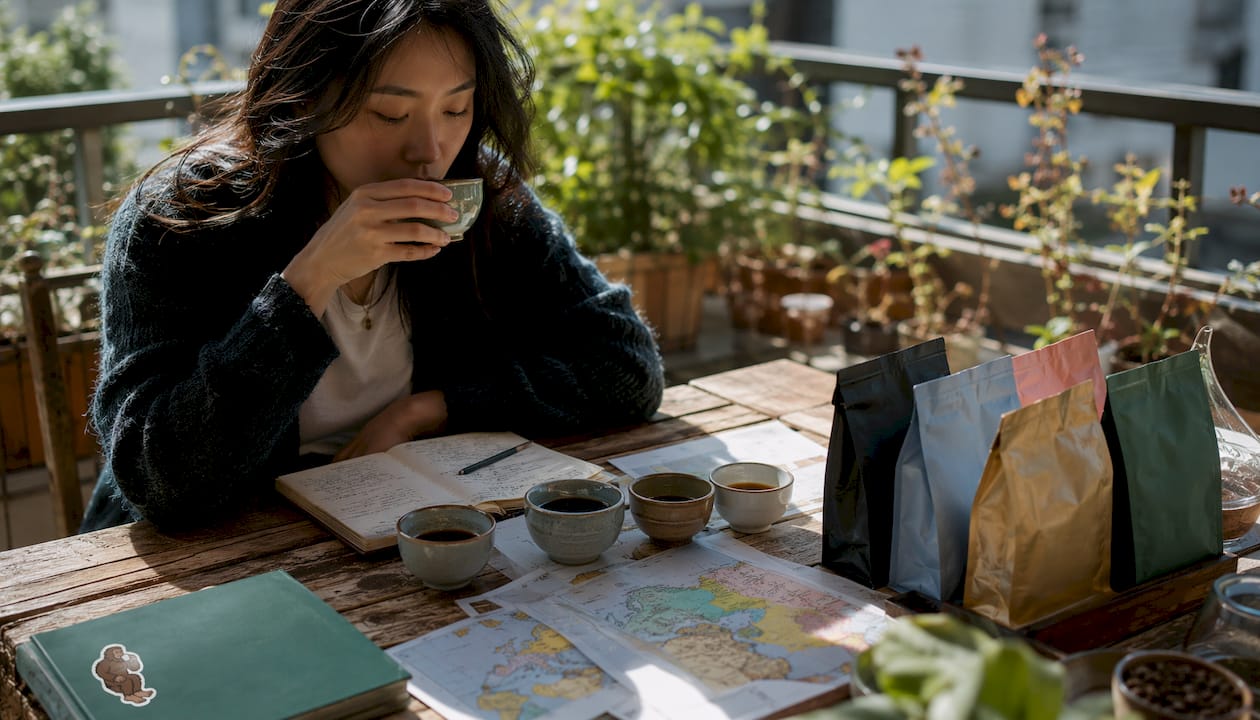
Coffee from Ethiopia tastes nothing like coffee from Colombia. A washed process and a natural process from the same farm can produce flavors so different they seem like separate crops. A subscription that rotates origins monthly gives you a real education in how geography, altitude, and processing shape flavor. Over time, you develop preferences you couldn’t have predicted when you started.
If you’re hesitant to commit to a rotating subscription, look for services that let you set roast-level preferences while still rotating origins. That way you stay within a flavor range you enjoy while still discovering new producers and regions. The craft roaster selection guide from Portland Coffee Box is a useful starting point for understanding what separates a genuinely curious roaster from one just cycling through catalog staples.
Skipping the fine print on cancellation is a mistake that tends to cost real money. Some services require advance notice of 30 days or more, charge fees for early cancellation, or bury the process so deep in account settings that buyers give up and keep paying.
Subscriptions that use friction to retain customers are prioritizing retention over product quality. A roaster who believes in their coffee makes it easy to leave, because they expect the coffee itself to earn your continued subscription. Read the cancellation terms before you enter any payment information. If the process requires an email, a phone call, or a waiting period, treat that as a warning about the service overall.
The practical rule: you should be able to cancel, pause, or skip from your account in two clicks or fewer. Anything more complicated than that is a design choice, not an accident.
Reviews are one of the most underused tools in the subscription buying process. Marketing copy describes the coffee a service wants to sell you. Reviews describe the coffee people actually received.
Pay attention to patterns in reviews rather than individual ratings. Consistent complaints about late shipping, stale beans on arrival, or difficulty canceling are far more telling than a single negative experience. Positive patterns matter too: reviewers who mention roast dates on every bag, responsive customer service, and accurate tasting notes are describing a service that takes quality seriously.
Look for reviews that mention specific details, such as how fresh the beans arrived, whether the grind matched the stated brew method, and how easy it was to manage the subscription. Generic five-star reviews with no specifics add little signal. Detailed, experience-based feedback, positive or negative, tells you what you actually need to know before committing. You can also explore small-batch coffee options and read community feedback to get a clearer picture of what real specialty subscriptions deliver.
If the mistakes covered here have you rethinking your current subscription, or approaching your first one with fresh eyes, Portland Coffee Box was built around the exact standards this article describes.
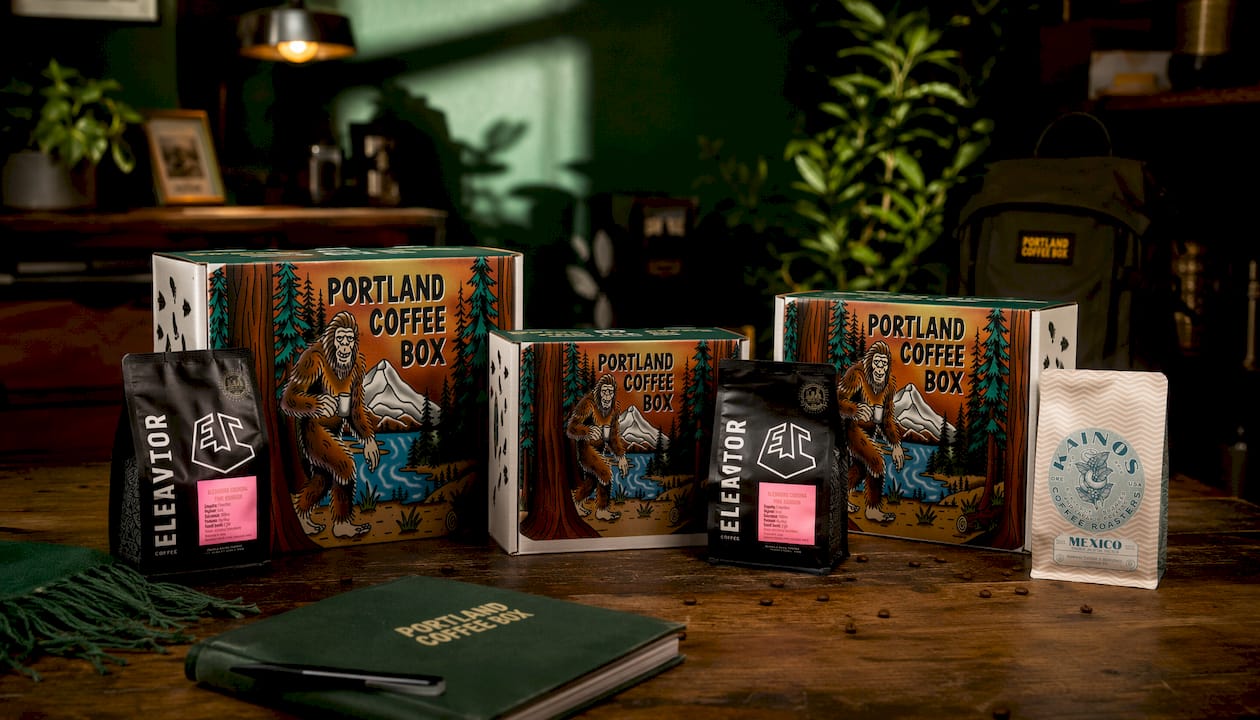
Every box features fresh, small-batch beans handpicked from Portland’s top local craft roasters, curated for quality, variety, and seasonality. Roast dates are never hidden. Origins are always traceable. Subscriptions come in two-bag and three-bag options sized to match real consumption rates, not optimistic ones. Free shipping is included on every order, and flexibility is built in from the start. Portland Coffee Box is also a 1% For the Planet member, so every bag supports environmental causes alongside your morning ritual. New to the service? Grab a free bonus bag and taste the difference that roast-date transparency and genuine craft curation make before you commit to a full subscription.
Avoiding common coffee subscription mistakes comes down to matching your delivery frequency to real consumption, demanding roast-date transparency, and choosing services that make flexibility easy, not an afterthought.
| Point | Details |
|---|---|
| Match frequency to consumption | Track actual usage for two weeks before setting delivery frequency to prevent stale backlogs. |
| Roast date is non-negotiable | Specialty coffee peaks between 7 and 45 days post-roast; a bag without a roast date makes freshness impossible to verify. |
| Grind must match your brew method | Wrong grind size causes bitterness or weak coffee regardless of bean quality; choose grind-to-order or whole bean. |
| Flexibility signals quality | Easy pause, skip, and cancellation policies indicate a roaster confident in their product, not just their contract. |
| Portland Coffee Box | Offers traceable, small-batch Portland roasts in flexible two-bag and three-bag subscriptions with free shipping and no hidden commitments. |


