


-
Products
-
About Us
-
Roasters
- Gifts
Craft roaster selection criteria are determined primarily by measurable sensory quality and roasting process control, not brand reputation or packaging design. The Specialty Coffee Association’s Q Grader program sets the professional standard for evaluating coffee by aroma, flavor, acidity, body, and balance. For home enthusiasts, practical factors like batch size, roast duration, and smoke management shape which roaster actually fits your kitchen and lifestyle. Understanding these criteria gives you a real framework for choosing coffee that delivers in the cup, every single time.
Sensory quality is the single most reliable indicator of a craft roaster’s output. The SCA uses a 100-point cupping system that evaluates fragrance, aroma, flavor, aftertaste, acidity, body, balance, uniformity, and clean cup. Each category contributes to a total score that reflects how well a roaster has developed the bean’s potential.
A coffee scoring above 80 on the SCA scale qualifies as specialty grade. That threshold matters because it separates coffees with distinct, clean flavor profiles from commodity-grade beans with defects or flat taste. When you evaluate a craft roaster, cupping scores from their offerings tell you whether their process consistently produces specialty-level results.
“Cupping is not just a tasting exercise. It is a structured, repeatable method for measuring roast quality against a defined standard.”
Sensory categories work together. A roaster might produce excellent aroma but fall short on balance or aftertaste, which signals inconsistency in roast development. Tracking scores across multiple batches from the same roaster reveals whether their quality is repeatable, which is the true mark of craft skill.
Key sensory categories evaluated in cupping:
Craft roasting is defined by deliberate, monitored process control rather than guesswork. Successful craft roasting monitors temperature, color, smell, sound, and development cues simultaneously. Relying on color alone is a common mistake because roast color changes with bean age and storage conditions.
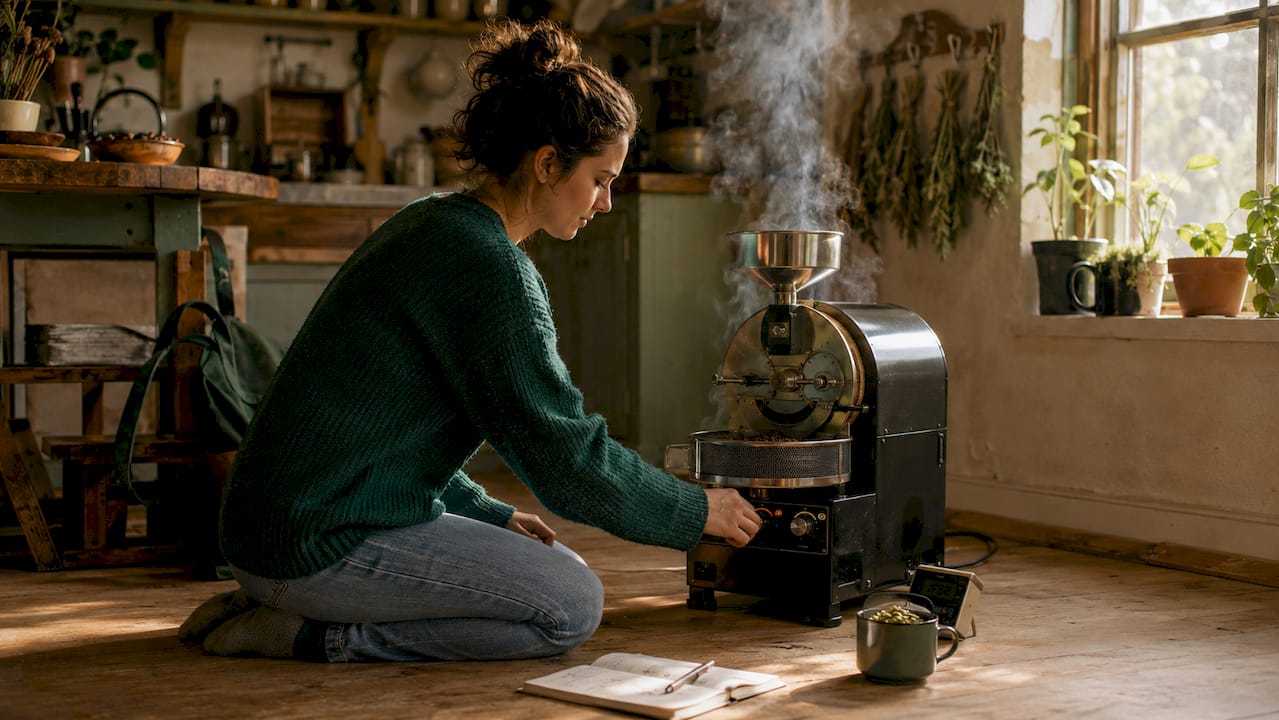
Temperature and airflow are the two most critical variables. A roaster who tracks bean temperature curves alongside time can reproduce a specific flavor profile batch after batch. That repeatability of roast profiles is the clearest sign of a skilled craft operation.
Sound and smell provide real-time feedback that temperature data alone cannot capture. First crack, the audible popping that signals the start of light roast development, tells a roaster when to make critical adjustments. Oil appearance on the bean surface signals the transition into darker roast territory.
Process cues that define craft roasting quality:
Pro Tip: Track the time between first crack and the end of the roast. This development time ratio directly shapes sweetness and body in the cup. Extending it by even 30 seconds can transform a flat roast into a complex one.
The best home roaster for you depends on your roast style, weekly coffee volume, and kitchen setup. Drum roasters take 14–20 minutes per batch and handle batch sizes from roughly 4 oz. to 16 oz. Air roasters complete a roast faster and typically handle smaller batches with less smoke output.
Air roasters use convection heat with adjustable fan speed, temperature, and time controls. They cost roughly $75–$150 and suit beginners who want accessible profile tweaking. Drum roasters mimic commercial roasting styles but generate significantly more smoke and can cost into the thousands.
Ventilation is a non-negotiable factor for home use. Effective smoke management determines whether drum roasting is practical in your space. Without a strong exhaust fan or outdoor setup, smoke buildup becomes a real problem during longer roasts.
Pro Tip: Before buying a drum roaster, run a test with a cast iron pan on your stovetop to gauge how your kitchen handles roasting smoke. If it lingers for more than 10 minutes, you need a dedicated ventilation solution before committing to a drum machine.
| Feature | Air roaster | Drum roaster |
|---|---|---|
| Typical cost | $75–$150 | $300 to thousands |
| Batch size | 2–6 oz. | 4–16 oz. |
| Roast time | 8–12 minutes | 14–20 minutes |
| Smoke output | Low | High |
| Profile control | Moderate | High |
| Best for | Beginners | Experienced hobbyists |
The best home roaster is not a universal machine. It is the one that fits your preferred roast level, your weekly consumption, and your home environment. Enthusiasts who favor light roasts need precise temperature control and shorter development windows. Those who prefer dark roasts need a machine that handles extended roast times without burning the bean surface unevenly.
Weekly coffee volume shapes batch size requirements directly. If you brew two cups a day, a 4 oz. batch every few days works well. If you host regular coffee tastings or brew for a household, a machine with a 12–16 oz. capacity saves time and keeps beans fresher.
Home environment constraints are often underestimated. Apartment dwellers face smoke and noise challenges that a suburban home with a garage does not. Matching your roaster choice to your actual space prevents frustration and keeps your roasting practice consistent.
Questions to ask before choosing a roaster:
Using sample coffee sets from quality craft roasters before committing to a machine is one of the most practical steps you can take. Tasting a range of roast profiles clarifies what you actually enjoy, which then informs every equipment decision.
Artisan coffee roaster evaluation requires understanding the trade-offs between machine categories before applying any other criteria. Air roasters offer the most accessible entry point. They provide consistent heat distribution, easy profile adjustments, and low smoke output. The trade-off is smaller batch capacity and less of the complex, layered flavor development that longer drum roasts can produce.
Drum roasters suit enthusiasts who want to replicate the depth of a professional roast at home. They produce more nuanced caramelization and body, especially in medium and dark profiles. The cost, smoke, and learning curve are real barriers that beginners should weigh honestly.
Manual roasters, including stovetop popcorn poppers and hand-cranked drum devices, sit at the budget end of the spectrum. They offer minimal profile control but teach you the fundamentals of roast development through direct sensory engagement. Many serious home roasters started with a stovetop popper before investing in a dedicated machine.
| Roaster type | Control level | Cost range | Ideal user |
|---|---|---|---|
| Air roaster | Moderate | $75–$150 | Beginners and casual enthusiasts |
| Drum roaster | High | $300 to thousands | Experienced hobbyists |
| Manual or stovetop | Low | Under $50 | Budget-conscious beginners |
Overlooked consideration: Entry-level air roasters from reputable kitchen equipment brands often outperform their price point. They allow you to learn roast development without a large financial commitment, and many enthusiasts use them for years before upgrading.
The SCA Q Grader credential is the most recognized professional standard for coffee sensory evaluation. Q Graders pass multiple practical and written exams covering physical, descriptive, affective, and extrinsic coffee attributes. When a roaster references Q Grader evaluation in their process, it signals a commitment to structured, repeatable quality assessment.
You do not need a Q Grader certification to apply the same principles. The Coffee Value Assessment framework that Q Graders use evaluates coffee across consistent categories, which you can mirror in your own cupping practice at home. Tasting coffee from a roaster across three or four batches using the same sensory categories gives you a reliable picture of their consistency.
The CVA system is also expanding to include robusta descriptors, which reflects the growing diversity of specialty coffee. This matters for enthusiasts who want to evaluate single-origin robustas or blends that include non-arabica beans. A roaster who stays current with evolving evaluation standards demonstrates genuine craft commitment.
Checking whether a roaster publishes cupping notes, sourcing details, and roast dates alongside their offerings is a practical proxy for Q Grader-level transparency. Roasters who share this information trust you to evaluate their work. That transparency is itself a quality signal worth weighing in your artisan roaster evaluation.
Craft roaster selection criteria rest on sensory quality, process control, and practical fit, not aesthetics or brand size.
| Point | Details |
|---|---|
| Cupping scores reveal consistency | Look for roasters whose coffees score above 80 on the SCA scale across multiple batches. |
| Process control defines craft quality | Temperature curves, first crack timing, and airflow adjustments separate skilled roasters from inconsistent ones. |
| Machine type shapes your results | Air roasters suit beginners; drum roasters offer depth but require ventilation and experience. |
| Personal fit matters as much as specs | Match batch size, roast level, and smoke management to your actual kitchen and consumption habits. |
| Transparency is a quality signal | Roasters who publish cupping notes, roast dates, and sourcing details demonstrate accountability for their craft. |
Most articles on choosing a coffee roaster treat the decision as purely technical. Pick the machine with the best temperature control, follow the SCA cupping protocol, and you will get great coffee. That is true, but it misses something real.
The enthusiasts I have seen get the most from their home roasting practice are not the ones with the most expensive drum roasters. They are the ones who cup their own batches consistently, write down what they taste, and adjust one variable at a time. Repeatability beats sophistication every time.
My honest recommendation is to start with an air roaster and a set of green beans from two or three different origins. Cup them side by side after each roast. You will learn more about roast development cues in three weeks of hands-on practice than from any amount of reading.
Budget is real, and you should not let anyone tell you otherwise. A $100 air roaster with disciplined tracking produces better coffee than a $1,000 drum roaster used carelessly. Invest in your process before you invest in your equipment.
— Cody Salane
Choosing a craft roaster is easier when you can taste the results before committing to a machine or a subscription. Portland Coffee Box curates fresh, small-batch beans from Portland’s top local craft roasters, selected for quality, variety, and seasonality.
Each monthly box reflects the same sensory and process standards covered in this guide. You get light, medium, and dark roasts from roasters whose work meets specialty-grade benchmarks, with free shipping on every order. If you want to sample the range before subscribing, the bonus bag offer is the lowest-commitment way to taste what Portland’s craft coffee scene produces. For ongoing exploration, the two-bag micro lot box delivers single-origin selections that make roaster comparison genuinely rewarding.
Craft roaster selection criteria are the measurable standards used to evaluate a roaster’s sensory output and process control. They include cupping scores, roast consistency, batch size, and transparency of sourcing and roast data.
A coffee scoring above 80 on the SCA 100-point scale qualifies as specialty grade. Scores in this range reflect clean, distinct flavor profiles with no significant defects.
Air roasters use convection heat, cost $75–$150, and produce less smoke, making them ideal for beginners. Drum roasters offer deeper flavor development but generate more smoke and require stronger ventilation.
Cup the same roaster’s coffee across three or four separate batches using consistent sensory categories. Consistent aroma, flavor, and balance scores across batches confirm reliable roast quality.
The Q Grader program is an internationally recognized credential that certifies coffee professionals to evaluate quality using the Coffee Value Assessment framework. It covers physical, descriptive, affective, and extrinsic coffee attributes.


