


-
Products
-
About Us
-
Roasters
- Gifts
The roast date on a coffee bag is defined as the exact calendar date when green coffee beans were roasted, marking the start of the coffee’s flavor lifecycle. It is the single most reliable freshness indicator on any bag of coffee. Unlike best-before dates, which reflect food safety shelf life, the roast date tells you whether the coffee inside will actually taste good. Understanding coffee roast date meaning separates a mediocre cup from a genuinely memorable one.
The roast date is a printed stamp showing the specific day the coffee was roasted. Specialty roasters treat it as a badge of quality, printing it prominently so you can calculate exactly how fresh the beans are before you buy.
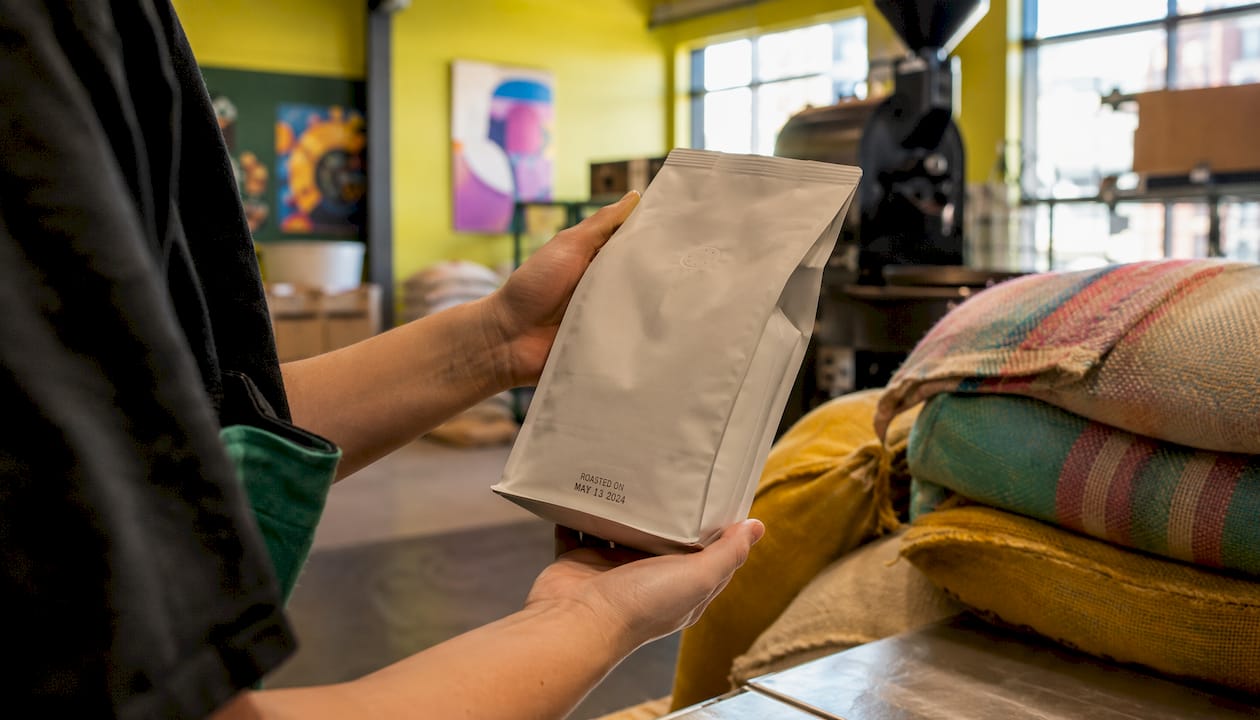
When you learn how to read coffee bags, you will notice roast dates appear in a few standard formats:
Roast dates are typically found on the bottom or back of coffee bags in clear formatted stamps. Check those areas first. If you see a long alphanumeric string with no obvious date structure, that is a batch code, not a roast date. Batch codes track production runs but tell you nothing about freshness.
The absence of a roast date is rarely accidental. Omitting the roast date is often a commercial decision, signaling older stock or a roaster that does not prioritize freshness transparency. Mass-market coffee sold in supermarkets frequently skips the roast date entirely. That is a signal worth taking seriously when you are choosing between bags.
Pro Tip: If a bag only shows a best-before date with no roast date, subtract 12–24 months from that date to estimate roughly when the coffee was roasted. That math alone will often change your decision at the shelf.
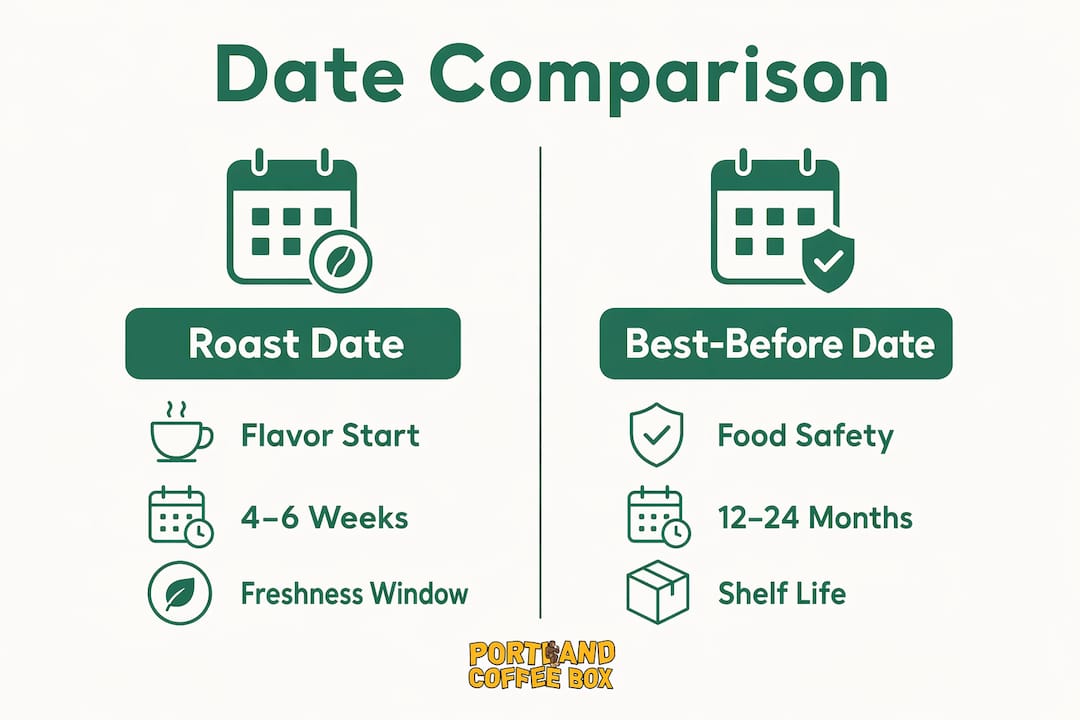
These two dates measure completely different things. The roast date marks when flavor was created. The best-before date marks when the product is no longer considered safe or palatable under food safety regulations.
Best-before dates are often set 12–24 months after roasting. That timeline exists for food safety, not flavor. A bag of coffee can be technically safe to drink at 18 months post-roast and taste completely flat and stale at the same time.
The roast date freshness window is a much shorter 4–6 weeks. Within that window, the coffee’s aromatic compounds, natural oils, and flavor notes are at their most vibrant. After 6 weeks, flavor fades progressively. The coffee does not become harmful; it simply becomes ordinary.
| Date Type | What It Measures | Typical Timeframe | Relevance to Flavor |
|---|---|---|---|
| Roast date | When beans were roasted | Day of roasting | Directly indicates peak flavor window |
| Best-before date | Food safety shelf life | 12–24 months post-roast | No meaningful flavor guidance |
Specialty roasters print roast dates as a quality signal, differentiating their craft from mass-market coffee that lacks freshness assurances. When a roaster shows you the roast date, they are inviting you to hold them accountable for freshness. That transparency is worth seeking out.
Pro Tip: Always prioritize the roast date over the best-before date when evaluating a bag. The best-before date protects the retailer. The roast date protects your cup.
The roast date is not just a number. It marks the beginning of a predictable chemical process that directly shapes what ends up in your cup.
Freshly roasted beans release carbon dioxide through a process called degassing. Coffee requires a rest period of 2–5 days post-roast before it reaches optimal flavor for brewing. Brewing too early forces CO2 into your extraction, producing uneven, sharp, and sometimes sour flavors. This is why the best specialty bags include a one-way valve: it lets CO2 escape without letting oxygen in.
After 4–6 weeks, flavor fades though the coffee remains safe to drink. Oxygen exposure accelerates this process, breaking down aromatic compounds and turning vibrant flavor into something dull and papery. Darker roasts tend to fade faster because their oils sit closer to the bean’s surface and oxidize more quickly.
Understanding this lifecycle is what separates a coffee enthusiast from a casual drinker. It also explains why freshly roasted coffee tastes so dramatically different from a bag that has been sitting on a warehouse shelf for months.
Knowing what the roast date indicates is only useful if you act on it. Here is how to put that knowledge to work at every stage.
Pro Tip: Write the roast date on a piece of tape and stick it to your storage container when you transfer beans. You will always know exactly where you are in the freshness window without hunting for the bag.
If you notice flat, lifeless flavor despite good technique, the roast date is the first thing to check. The signs you need better beans often trace directly back to a bag that was already past its prime when you bought it.
The roast date is the most important number on any coffee bag because it defines the entire flavor window from peak freshness to gradual decline.
| Point | Details |
|---|---|
| Roast date defines freshness | It marks when roasting occurred and starts the 4–6 week optimal flavor window. |
| Best-before date is not a flavor guide | Best-before dates extend 12–24 months and reflect food safety, not taste quality. |
| Peak flavor window is narrow | Most coffees taste best between 7 and 21 days after the roast date. |
| Storage method matters | Airtight, cool, dark storage preserves freshness; refrigeration without vacuum sealing causes staling. |
| No roast date is a warning sign | Omitting the roast date often signals older stock or low freshness standards from the roaster. |
By Cody Salane
Before I started paying close attention to roast dates, I thought I was buying good coffee. I was buying recognizable bags from well-known brands, grinding fresh, and using decent equipment. The cups were fine. Nothing more.
The shift happened when I picked up a bag from a small Portland roaster that stamped the roast date right on the front. The beans were nine days old. The difference in the cup was not subtle. There were layers of flavor I had never tasted in coffee before: a clean brightness up front, a rounded sweetness in the middle, and a lingering finish that actually made me slow down and pay attention.
That experience made me realize I had been drinking stale coffee my entire adult life and calling it normal. The roast date was the variable I had never controlled. Once I started treating it as the primary buying criterion, everything else about my coffee improved without changing a single piece of equipment.
The uncomfortable truth is that most coffee sold in grocery stores is already past its flavor peak before it reaches the shelf. The supply chain from roaster to distributor to retailer to your cart can easily consume 6–12 weeks. A best-before date two years out tells you nothing about what that coffee actually tastes like today.
My advice is simple: treat the roast date the way you treat the sell-by date on fresh fish. It is not a suggestion. It is the difference between something worth savoring and something you drink out of habit.
— Cody Salane
Portland Coffee Box curates small-batch beans from Portland’s finest craft roasters, each bag stamped with a clear roast date so you always know exactly what you are getting.
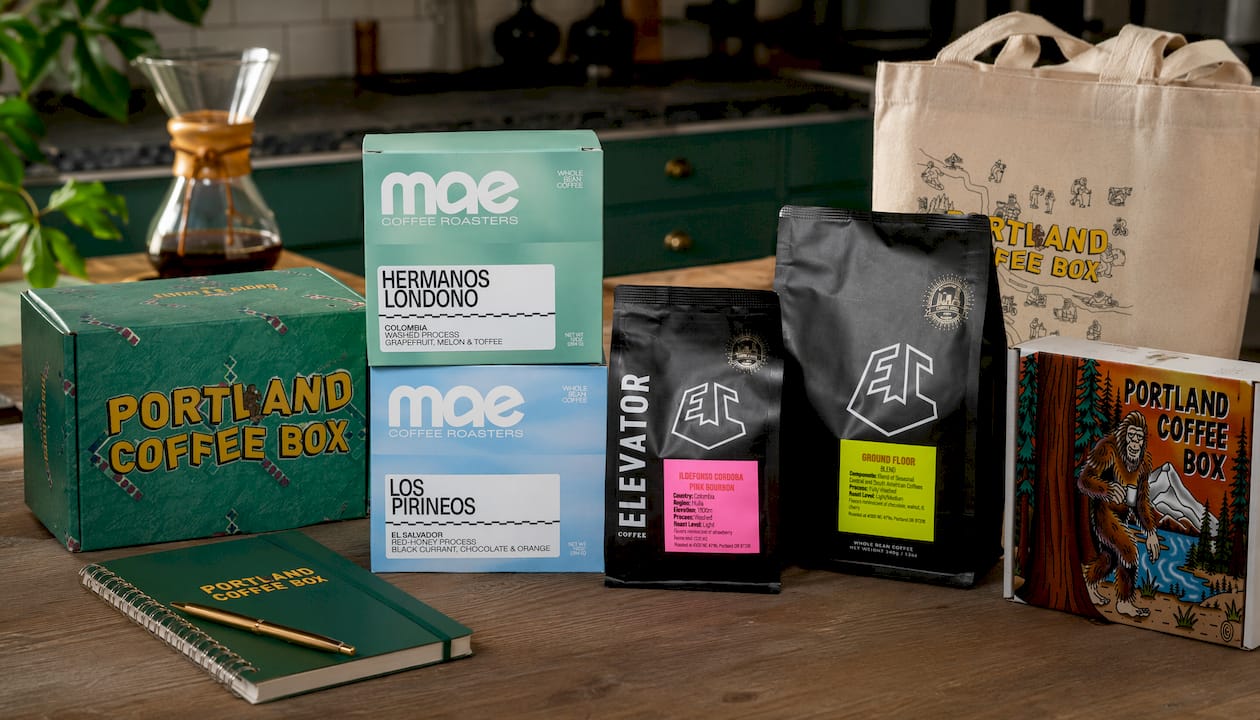
Every one-bag coffee box ships directly from the roaster to your door, putting fresh beans in your hands within the peak flavor window. No warehouse delays, no mystery dates. Portland Coffee Box also offers a free bonus bag with select orders, so you can explore a second roast profile without committing to a full subscription. Free shipping is included on all orders, and every purchase supports Portland Coffee Box’s commitment as a 1% For the Planet member.
The roast date is the exact day the coffee beans were roasted. It marks the start of the coffee’s freshness and flavor lifecycle, with peak flavor occurring between 7 and 21 days after that date.
Coffee remains flavorful for roughly 4–6 weeks after the roast date. Beyond that window, the coffee is still safe to drink but the flavor compounds have degraded significantly.
Yes. The best-before date reflects food safety shelf life, often set 12–24 months after roasting. The roast date is the only reliable indicator of whether the coffee will taste fresh and vibrant.
Omitting the roast date is typically a commercial decision. It allows roasters or retailers to sell older stock without disclosing how long ago the beans were roasted. The absence of a roast date is a signal to look for a fresher option.
Both methods benefit from fresh beans, but the ideal window differs. Filter coffee tastes best at 4–14 days post-roast, while espresso typically peaks at 10–21 days, when oils have integrated enough for a balanced extraction.


