


-
Products
-
About Us
-
Roasters
- Gifts
Supporting small batch roasters goes well beyond buying a bag of coffee. The most impactful small batch roaster support examples combine direct purchasing, honest community feedback, and active advocacy for sustainable practices. Buy directly from roasters or through curated subscription services to guarantee freshness and fair compensation. Attend local cupping sessions, share detailed tasting notes, and amplify roasters’ stories on social media to strengthen their brand presence. Prioritize roasters who use compostable packaging and transparent sourcing, since those choices ripple outward to farmers, ecosystems, and the broader coffee community.
Pro Tip: Combine a monthly purchase with one feedback session per quarter. Roasters value specific sensory descriptions far more than a five-star rating with no detail, and that input directly shapes future roast profiles.
Real support shows up in daily habits, not grand gestures. These concrete examples translate good intentions into actions that genuinely move the needle for small roasting businesses.
Small batch roasting is not a marketing phrase. It is a practical necessity for flavor quality, and understanding why makes supporting these roasters feel less like charity and more like good taste.
Smaller batches give roasters precise control over temperature, timing, and airflow, which lets them highlight each bean’s natural flavors whether that means citrus brightness, chocolatey body, or a floral finish. High-elevation beans roast differently than lower-grown varieties, and small batch roasters can adapt each profile to match a bean’s origin, moisture level, and flavor potential. That flexibility simply does not exist at industrial scale.
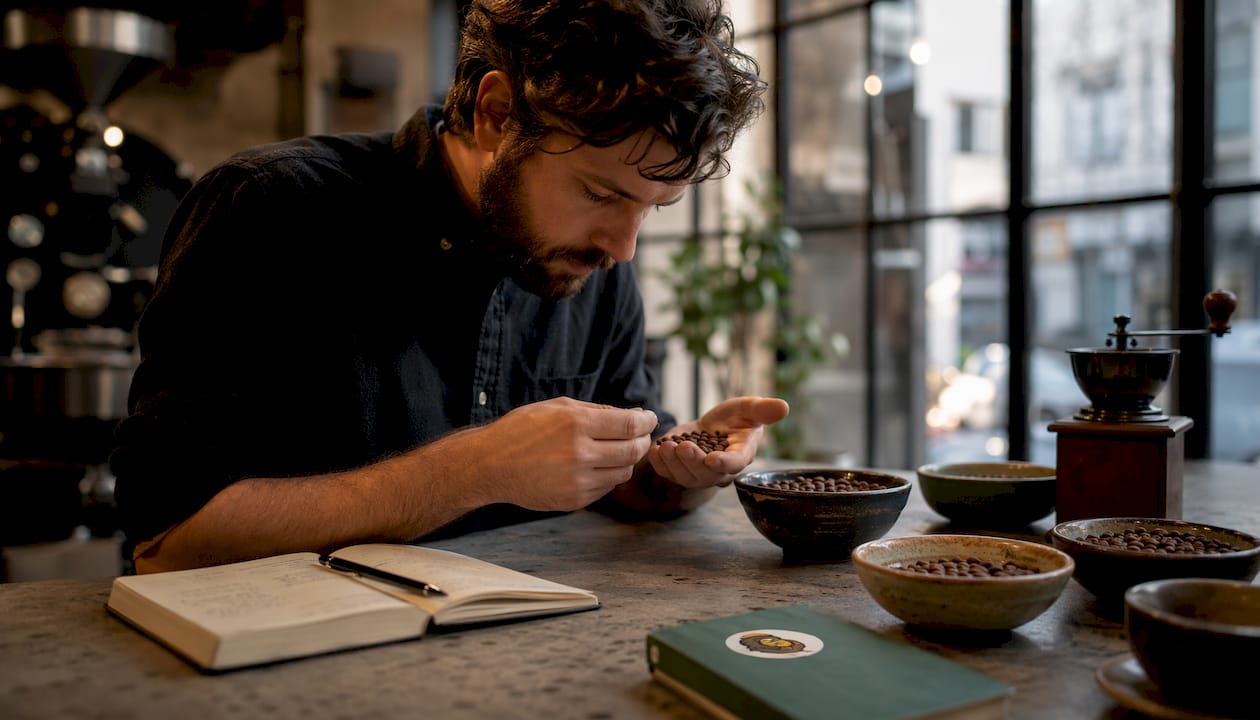
Industry expert Jim Morton, Head Roast Architect at Liberty Beans, puts it plainly: “Roast too fast, you mute acidity and bury florals. Roast too slow, you bake out sweetness and invite bitterness. Small batches let us ride the razor’s edge.” His point reflects a thermodynamic reality: large industrial drum roasters average heat transfer across inconsistent bean masses, scorching outer layers while underdeveloping inner cores. Thermal equilibrium is achievable only at smaller scale.
Freshness is the other major advantage. Small batch roasters roast in micro-lots just before shipping, delivering coffee within days rather than the weeks or months typical of industrial production. The result is richer oils and fuller aroma in every cup.
Freshness fact: Coffee roasted in micro-lots and shipped within days retains significantly richer oils and fuller aroma than beans that sit in industrial warehouses for weeks before reaching a retailer’s shelf.
Every purchase decision in specialty coffee carries weight beyond the cup. Choosing thoughtfully means your money supports farmers, ecosystems, and the long-term health of small roasting businesses.
Small roasters operate on thin margins in a market dominated by large commercial brands with massive distribution advantages. Green coffee prices fluctuate with global commodity markets, and small roasters rarely have the purchasing volume to hedge against those swings. Equipment costs are steep: a professional-grade small-batch roaster can run from several thousand to tens of thousands of dollars, and repairs create costly downtime. Finding skilled labor in the coffee roasting sector adds another layer of operational complexity. Marketing and distribution present their own hurdles, since reaching customers beyond a local zip code requires either a strong digital presence or a retail partnership, both of which demand time and money that lean teams rarely have in surplus.
The specialty coffee community has built real infrastructure for mutual support. The Specialty Coffee Association offers training, certification programs, and networking events that connect small roasters with peers, importers, and green coffee buyers. Regional roaster guilds and cooperatives pool purchasing power to negotiate better green coffee prices, a direct financial benefit for small operators. Equipment manufacturers like Mill City Roasters have formalized this spirit of support: their Priority Support program includes setup calls, seasoning roast guidance, and fast-response technical help, even for roasters whose equipment is out of warranty. Genio Roasters offers a multi-stage support system ranging from free quick-answer help to paid remote diagnostics, keeping small operators running without expensive service contracts.
Small Business Administration microloans are one of the most accessible funding paths for early-stage roasters, covering equipment, inventory, and working capital. USDA grants through the Rural Business Development program can support roasters operating in rural communities or sourcing from domestic farms. Crowdfunding platforms have helped several craft roasters raise capital directly from their customer base, turning loyal buyers into stakeholders. On the operational side, roastery management platforms like Cropster and CoffeeOS give small roasters the financial visibility they need to make sound decisions, tracking true bag costs across green bean price, roast loss, labor, and packaging.
Liberty Beans Coffee built its reputation on a rigorous small-batch philosophy, roasting in 5 kg increments to achieve thermal equilibrium and working directly with farm partners who control fermentation and moisture content at origin. Their sourcing model includes micro-lot selection based on measurable harvest quality indicators, and roasters receive feedback on how their processing affects the final cup. That two-way relationship is what separates a transactional supply chain from a genuine partnership. You can explore the craft behind small batch roasting to understand how these principles translate across different roasting operations.
Ethical sourcing starts with knowing your supply chain. Roasters who publish the farm name, region, and processing method on every bag are giving you the information you need to verify their claims. Direct trade relationships, where roasters visit farms and negotiate prices above commodity market rates, offer the strongest transparency. Fair trade certification provides a floor but not a ceiling, so direct trade often delivers better outcomes for farmers. Look for roasters who share the role small roasters play in their sourcing communities, since that narrative reflects genuine investment rather than marketing copy. Seasonal purchasing matters too: buying coffee tied to specific harvest windows means you are drinking beans at their freshest and supporting farmers whose income depends on consistent annual demand.
Portland Coffee Box is the direct route to supporting multiple small batch roasters at once, without the guesswork of finding them yourself. Every monthly box features fresh, small-batch beans handpicked from Portland’s top local craft roasters, selected for quality, variety, and seasonality, and shipped nationwide with free delivery.
Portland Coffee Box curates with intention. The selection criteria prioritize ethical sourcing, roast freshness, and the kind of craft storytelling that connects you to the people behind every bag. As a 1% For the Planet member, a portion of every subscription goes directly to environmental causes. Whether you start with a single bag coffee box to explore or go deeper with a four-bag subscription for full variety, you are putting real, recurring support behind the roasters who deserve it most.
Supporting small batch roasters through direct purchases, honest feedback, and ethical sourcing choices creates lasting impact for coffee quality, farmer livelihoods, and environmental sustainability.
| Point | Details |
|---|---|
| Buy directly and often | Direct purchases and subscriptions give small roasters reliable revenue and national reach. |
| Feedback drives quality | Specific flavor notes help roasters refine profiles far more than generic praise. |
| Freshness is a real advantage | Micro-lot roasting delivers coffee within days, preserving richer oils and fuller aroma. |
| Ethical sourcing matters | Direct trade relationships ensure farmers earn fair prices and maintain supply chain transparency. |
| Portland Coffee Box | Curates fresh, small-batch beans from Portland’s top craft roasters, shipped nationwide with free delivery. |


