


-
Products
-
About Us
-
Roasters
-
Gifts
A caffè mocha (pronounced “MOH-kah”) is a chocolate-flavored espresso drink — essentially a latte with chocolate stirred in. According to Wikipedia, the standard build is a mix of espresso and steamed milk with more milk than espresso, with chocolate syrup, cocoa powder, or melted chocolate added to the mix. You may also see it listed as a mocaccino, mochaccino, or mocha latte on café menus — all names for the same comforting, cocoa-kissed cup.
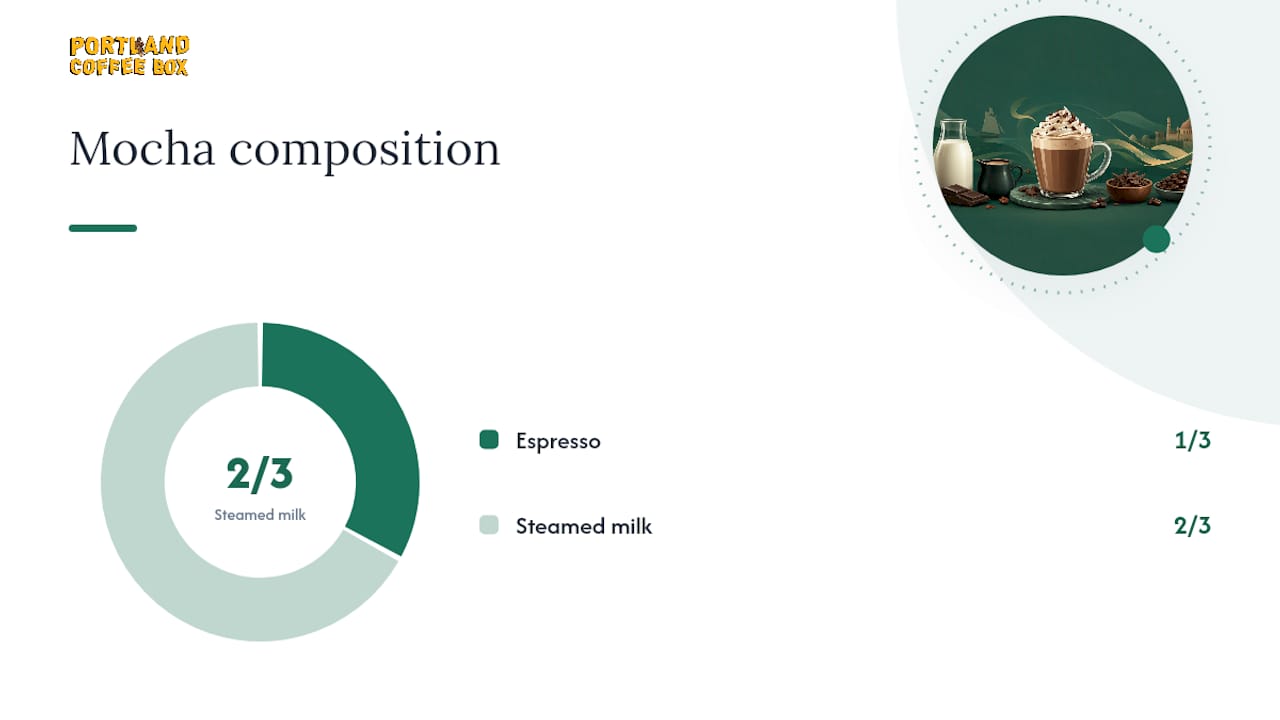
The three core components, every time:
Portland Coffee Box, a 1% For the Planet member curating small-batch beans from Portland’s finest craft roasters, ships nationwide so you can brew a café-quality mocha at home with beans that actually deserve the effort.
A classic café mocha uses four elements, and the proportions matter more than most people realize.
Standard ingredients:
Nescafé’s breakdown describes the build simply: espresso combined with chocolate powder or syrup, then finished with milk or cream. The chocolate goes in before the milk — that sequencing helps it dissolve evenly into the espresso rather than clumping at the bottom.
Acceptable substitutions:
The drink remains, at its core, a chocolate-flavored latte. Espresso is always the foundation.
Menus across the country use several names interchangeably, and a few variations are distinct enough to deserve their own description.
Presentation varies too. Some cafés serve mochas in a tall glass to show off the layers; others use a standard ceramic mug topped with a generous swirl of whipped cream and a chocolate drizzle. Both are correct. The Coffeeness guide notes that the barista’s finishing touches, from cocoa dusting to flavored syrups, are where personal style really shows.
These four drinks share ingredients but land in very different places on the flavor spectrum.
If you want coffee flavor with a chocolate accent, order a mocha. If you want pure chocolate comfort with no coffee, hot chocolate is your drink.
You do not need a commercial espresso machine to pull this off. A stovetop moka pot, an AeroPress, or even a strong drip brew all work as a base.
Hot mocha (serves 1):
Iced mocha variation: Follow steps 1 and 2, then let the espresso-chocolate mixture cool for a minute. Fill a glass with ice, pour in the mixture, then add cold milk. Stir and top as desired.
Pro Tip: Stir the chocolate into the espresso before adding milk — this is the barista sequence Coffeeness recommends, and it prevents the cocoa from clumping. If you use unsweetened cocoa powder, Home Espresso Lab suggests adding a small amount of sugar separately so you control sweetness without relying on pre-sweetened syrup.
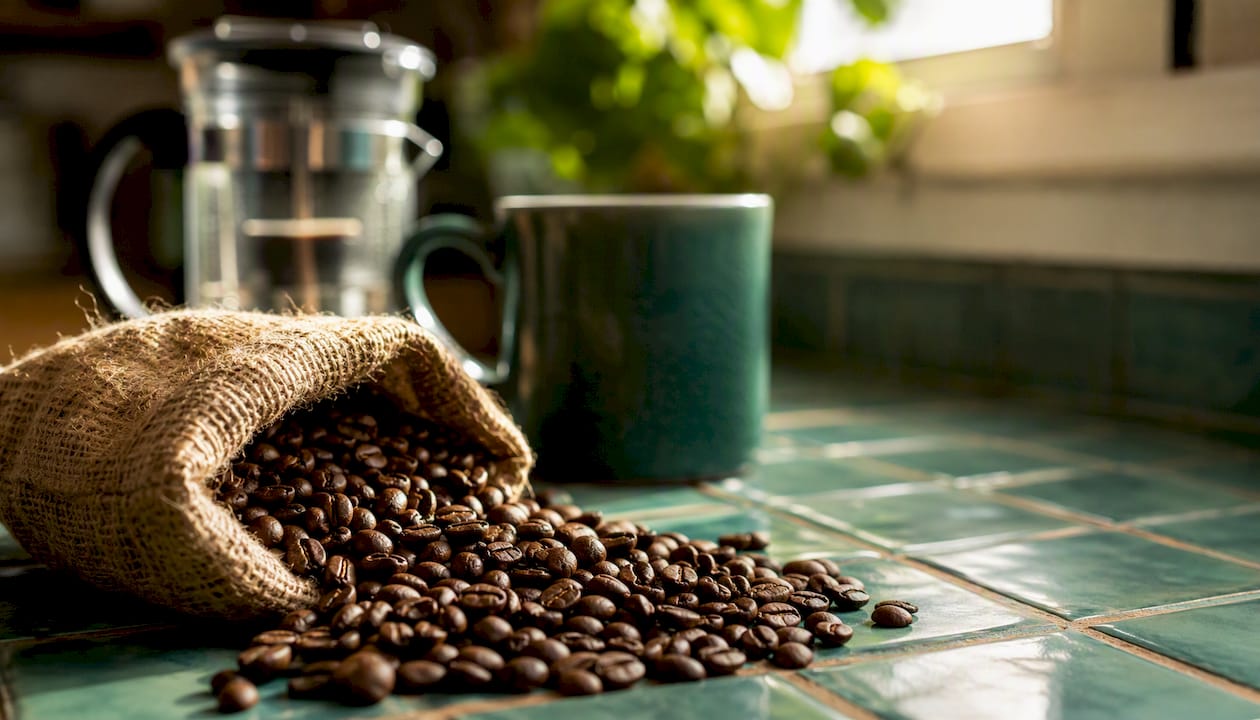
For the richest chocolate notes, choose a medium or medium-dark roast bean. Lighter roasts tend toward fruity and floral; darker roasts bring out the bittersweet cocoa tones that pair most naturally with added chocolate.
The “chocolatey” descriptor in specialty coffee is not just marketing language. It reflects real chemistry in the bean, shaped by three factors:
The chocolate in a caffè mocha is added chocolate. But choosing a bean with natural cocoa notes means the espresso itself contributes to the flavor, not just the syrup.
A caffè mocha is a chocolate-flavored espresso drink built from espresso, chocolate, and steamed milk — sweeter than a latte, lighter than hot chocolate, and endlessly adaptable at home.
| Point | Details |
|---|---|
| Core definition | A mocha is espresso plus chocolate plus steamed milk, roughly 1/3 espresso and 2/3 milk. |
| Name origin | “Mocha” comes from Mokha, Yemen; today it signals chocolate flavor, not bean origin. |
| Mocha vs. latte | A latte has no chocolate; a mocha adds chocolate and is noticeably sweeter. |
| Caffeine source | Caffeine comes from the espresso only — one shot equals a standard latte in strength. |
| Portland Coffee Box | Small-batch beans from Portland’s top roasters, available in One Bag through Four Bag subscriptions, ship nationwide. |
Portland Coffee Box believes that a great mocha starts long before the chocolate hits the cup. The small-batch beans we curate from Portland’s top local roasters — each chosen for quality, seasonality, and flavor depth — give you an espresso base that genuinely contributes to the drink rather than just carrying the sweetness.
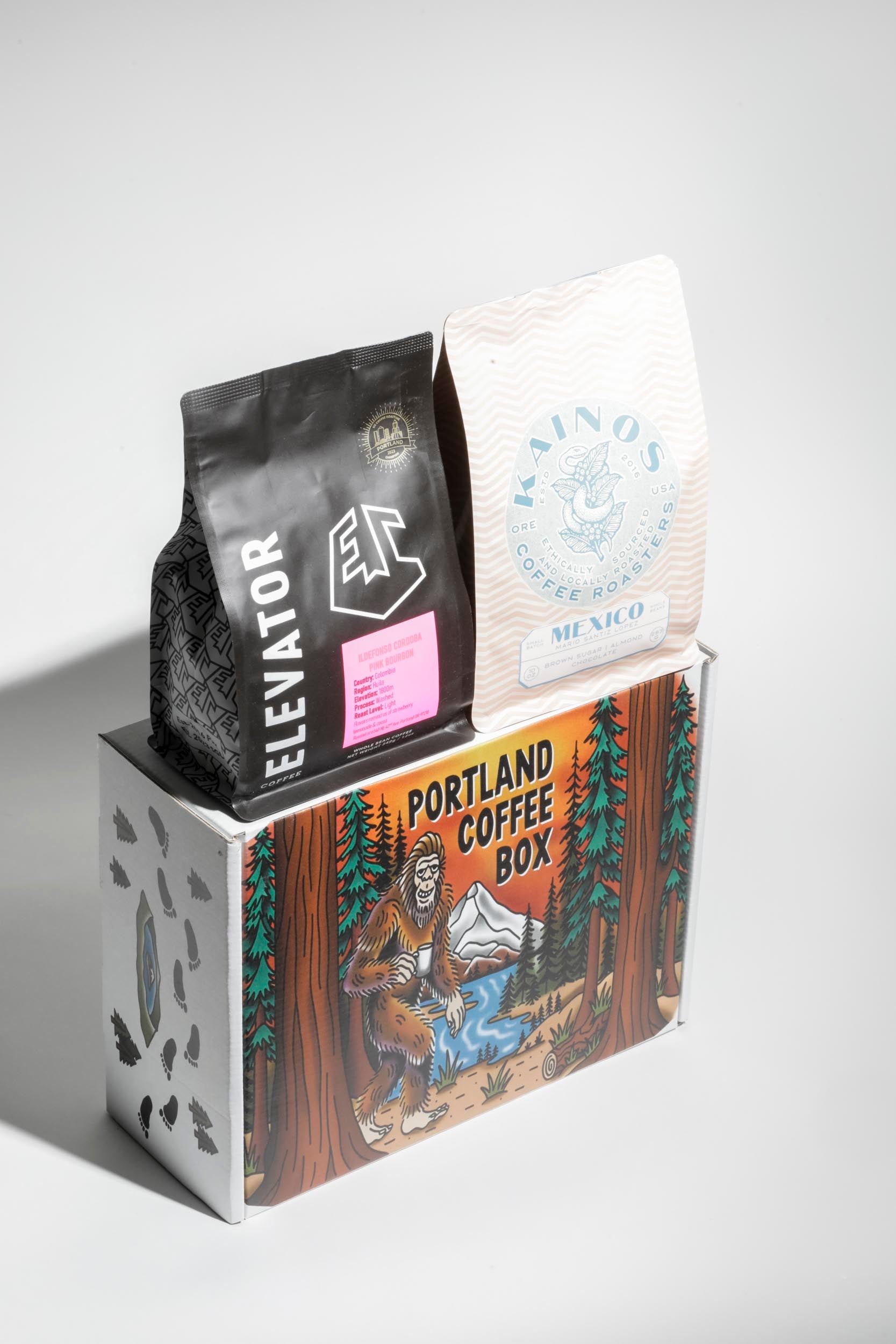
For readers ready to brew at home, our Two Bag Coffee Box and Three Bag Coffee Box let you compare roast profiles side by side, so you can find the one that sings with chocolate. The Two Bag Micro Lot Box is worth exploring if you want beans with naturally chocolatey origin notes — the kind that make a mocha taste like it was built from the ground up. And if you want to represent your love of the craft beyond the cup, the Portland Coffee Bag (Canvas Tote) and the T-shirt “The Intro Tee” are there for the coffee-proud among us.
— Cody Salane
The following sources informed this article and are worth bookmarking if you want to go deeper:
The difference between a forgettable mocha and one you think about the next morning is almost always the espresso base. Portland Coffee Box ships fresh, small-batch beans from Portland’s most celebrated craft roasters directly to your door, with free shipping on every order and no long-term commitment required.
Whether you start with a Free Bonus Bag of Coffee to test the waters or go straight to a Four Bag Coffee Box to build a full mocha pantry, every box is curated for flavor, freshness, and the kind of quality that makes brewing at home feel like a genuine ritual. For event and drink inspiration beyond the basics, mocktail bar ideas from Cocktail Crew are worth a look if you are planning a gathering around specialty beverages.
Visit Portland Coffee Box and find the roast that makes your next mocha unforgettable.


 is a chocolate-flavored espresso drink — essentially a latte with chocolate stirred in. According to Wikipedia, the standard build is a mix of espresso and steamed milk with more milk than espresso,...&media=//portlandcoffeebox.com/cdn/shop/articles/1785938625281_Pouring-chocolate-syrup-into-espresso-at-kitchen-counter_600x.jpg?v=1786163416)