


-
Products
-
About Us
-
Roasters
-
Gifts
Coffee processing methods explained are the techniques used to transform freshly harvested coffee cherries into the dry green beans that roasters work with. The method a producer chooses shapes foundational flavor characteristics like sweetness, acidity, body, and aroma long before a roaster ever applies heat. The four primary methods are washed, natural, honey, and anaerobic fermentation. Each one manipulates fruit removal, fermentation, and drying in a different way, producing dramatically different cups from the same origin. Washed processing dominates the specialty market at approximately 60% of global production. Understanding these methods gives you a real framework for choosing coffee that matches your taste, not just your mood.
Coffee processing refers to everything that happens to the cherry after it leaves the tree and before it reaches the roaster. The cherry is a fruit, and like any fruit, it has layers: skin, pulp, mucilage, parchment, and finally the seed we call the bean. Each processing method removes or retains those layers in a different sequence, and that sequence determines the bean’s final flavor potential.
The four core types of coffee processing are:
Processing precedes roasting in the flavor chain. A roaster can refine what processing creates, but cannot reverse it. That is why two coffees from the same farm, processed differently, can taste like they come from entirely different countries.
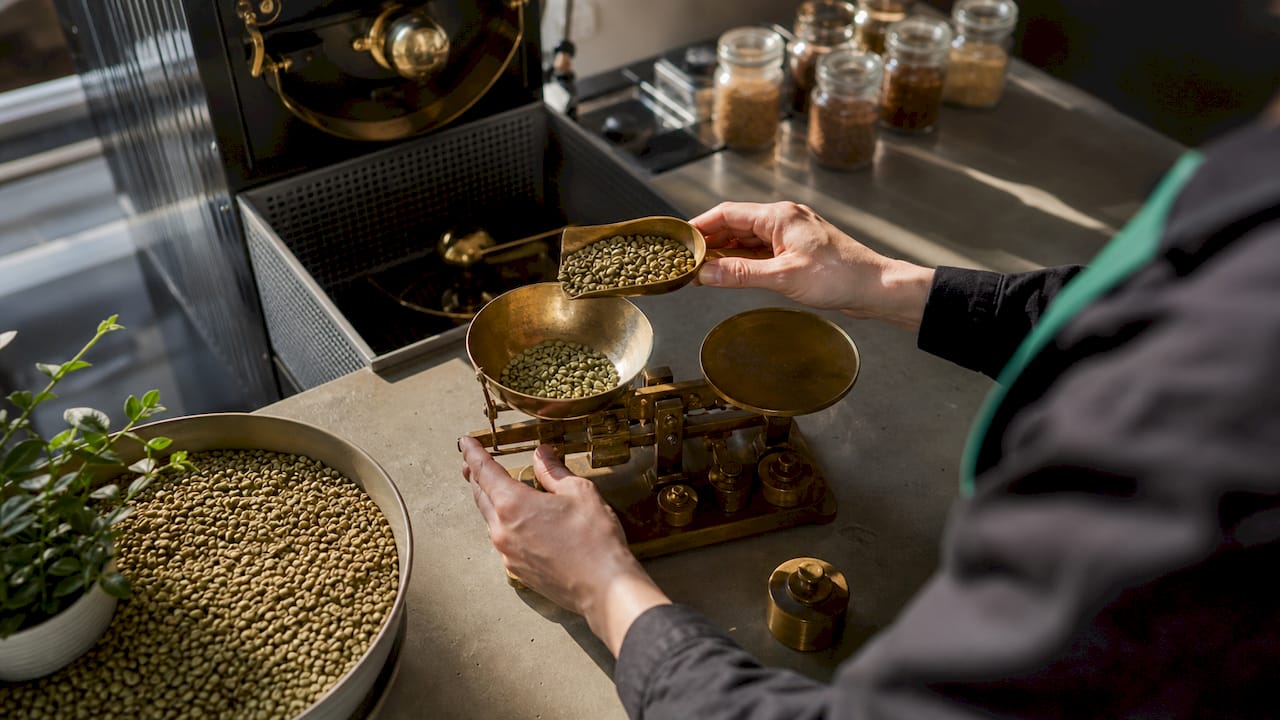
Washed processing, also called wet processing, is the most widely used coffee processing technique in specialty coffee. The steps follow a clear sequence: the cherry’s skin and pulp are removed by a depulping machine, the sticky mucilage layer is broken down through fermentation in water tanks, and the clean parchment coffee is then washed and dried. The result is a bean that carries almost no residual fruit influence.
The flavor profile of a washed coffee is defined by clarity. You taste the bean’s origin character directly: bright acidity, clean finish, and well-defined floral or citrus notes. Ethiopian Yirgacheffe washed coffees are a classic example, delivering jasmine and bergamot notes with a tea-like body that would be impossible to achieve through natural processing.
Washed coffees expose extraction faults clearly during brewing. That transparency is both a strength and a challenge. A well-extracted washed coffee is extraordinary. An under-extracted one tastes sour and thin. This is why brew control matters more with washed coffees than with any other method.
Pro Tip: When brewing a washed coffee, dial in your grind size carefully and use water between 200°F and 205°F. The clarity of the cup will reward your precision.
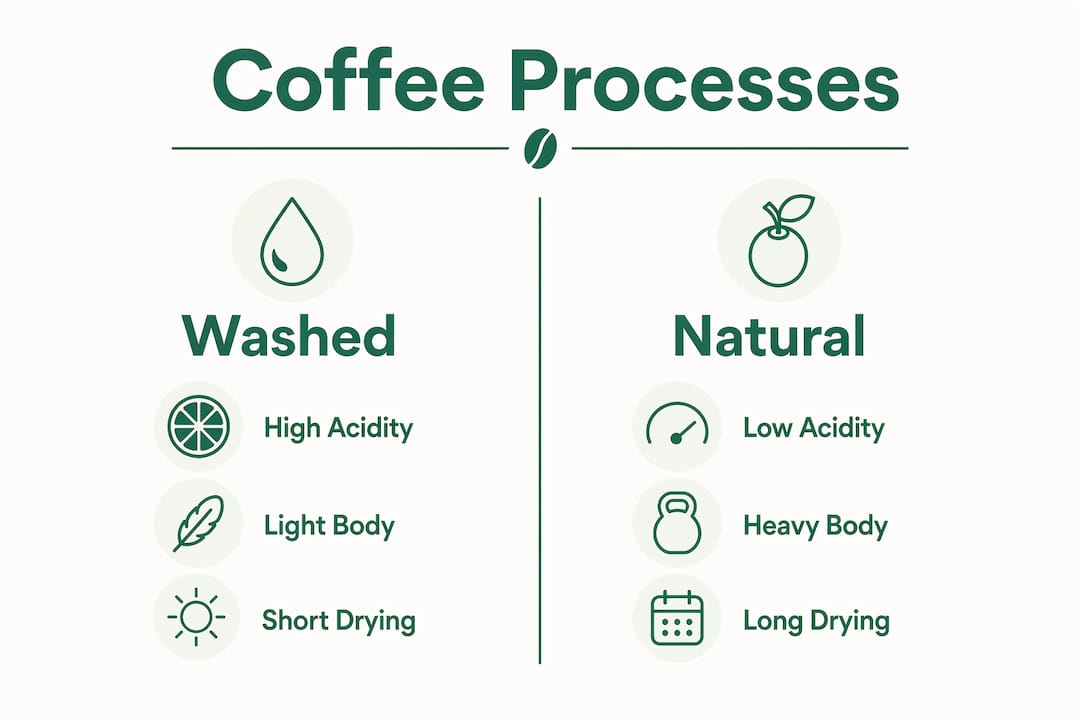
Drying washed coffees typically takes 1–3 weeks on raised beds or patios. Moisture content is tightly controlled, usually targeting around 11%. That consistency makes washed beans predictable and reliable for roasters who want repeatable results.
Natural processing, also called dry processing, is the oldest coffee processing technique in the world. Whole cherries are spread on raised drying beds or patios and left to dry in the sun for 3–6 weeks. During that time, the fruit ferments around the bean, and the sugars and fermentation compounds slowly migrate into the seed.
The flavor payoff is significant. Natural processed coffees are fruit-forward, wine-like, and heavy-bodied. Brazilian natural coffees are the benchmark: think dark chocolate, dried cherry, and a syrupy mouthfeel that lingers long after the sip. Ethiopian natural coffees from Sidama or Guji push even further into blueberry and strawberry territory.
Roasting natural coffees requires adjustment. Natural processed beans are denser and retain more sugar than washed beans, which means they can develop unevenly if the roaster applies heat too aggressively. Experienced roasters slow the early stages of the roast to allow even heat penetration before pushing development.
Pro Tip: Brew natural coffees with slightly lower water temperature, around 195°F to 200°F, and consider a coarser grind. The heavier body and sweetness can become muddy if you over-extract.
The main risk in natural processing is inconsistency. If cherries are not turned regularly or if humidity spikes, defects like over-fermentation or mold can ruin a batch. Quality natural coffees require skilled labor and careful attention throughout the drying period.
Honey processing sits between natural and washed on the flavor spectrum. The cherry’s skin is removed mechanically, just like in washed processing, but the mucilage layer is left on the bean in varying amounts during drying. The name comes from the sticky, honey-like texture of that mucilage, not from any added sweetener.
Honey coffees are classified by mucilage retention and labeled by color: yellow, red, and black. Yellow honey retains the least mucilage and produces a cleaner, brighter cup closer to washed. Red honey retains more, adding sweetness and body. Black honey retains the most mucilage, producing a cup that approaches natural processing in richness and fruit intensity.
| Honey Type | Mucilage Retained | Flavor Profile |
|---|---|---|
| Yellow Honey | Low (20–40%) | Clean, bright, mild sweetness |
| Red Honey | Medium (40–60%) | Balanced, stone fruit, syrupy |
| Black Honey | High (80–100%) | Rich, jammy, wine-like body |
Honey processing creates a strategic middle ground that appeals to roasters who find natural coffees too heavy and washed coffees too austere. Costa Rican honey coffees are the most recognized example, often showing peach, brown sugar, and caramel notes with a smooth, medium body.
Pro Tip: If you love sweetness in your cup but find natural coffees overwhelming, start with a red honey processed coffee. It delivers fruit-forward character with enough clarity to stay approachable.
Anaerobic fermentation is a controlled processing method where coffee cherries or depulped beans ferment inside sealed, oxygen-free tanks. Producers monitor temperature, pressure, and fermentation time precisely. Without oxygen, specific microbial strains dominate the fermentation environment, producing flavor compounds that open-air fermentation cannot replicate.
Anaerobic fermentation produces intense tropical fruit and fermented juice flavors that can feel more like a cocktail than a traditional coffee. Common tasting notes include passion fruit, pineapple, red wine, and fermented berry. These are not subtle. Anaerobic coffees announce themselves immediately.
The method started as a competition novelty, used by baristas in World Barista Championship events to showcase extreme flavor complexity. It has since grown into a recognized market segment. Anaerobic processing is becoming a defined specialty category, with producers in Colombia, Ethiopia, and Panama leading commercial production.
Pro Tip: Brew anaerobic coffees as pour-overs or in an AeroPress at lower temperatures, around 195°F. High heat can flatten the complex aromatics that make these coffees worth the price.
Choosing between processing methods comes down to what you want in your cup. The table below gives you a direct comparison across the four core methods.
| Method | Acidity | Body | Sweetness | Drying Time | Roast Challenge |
|---|---|---|---|---|---|
| Washed | High | Light | Low | 1–3 weeks | Exposes flaws easily |
| Natural | Low | Heavy | High | 3–6 weeks | Uneven sugar development |
| Honey | Medium | Medium | Medium-High | 2–4 weeks | Mucilage sticking |
| Anaerobic | Variable | Variable | High | 1–6 weeks | Volatile compound loss |
Processing methods change the physical properties of green beans, including moisture content and density, which directly affect how you grind and extract them. A washed Ethiopian and a natural Ethiopian from the same farm will require different grind settings, water temperatures, and brew ratios to reach their best expression.
For consumers, the practical takeaway is straightforward. If you prefer bright, clean, and complex cups, seek out washed coffees. If you love fruit, sweetness, and body, natural and honey processed coffees will reward you. If you want something bold and unconventional, anaerobic coffees are worth exploring. Coffee bag labels often use terms like “lavado” for washed, “dry process” for natural, and color codes for honey, so knowing these terms helps you shop with confidence.
The processing method applied to a coffee cherry is the single most decisive factor in determining the flavor, body, and acidity of your cup before roasting or brewing begins.
| Point | Details |
|---|---|
| Processing shapes flavor first | Sweetness, acidity, and body are set during processing, before roasting begins. |
| Washed means clarity | Washed coffees produce clean, bright cups that reveal origin character and expose brew errors. |
| Natural means fruit and body | Natural processing infuses the bean with fruit sugars, creating heavier, sweeter, wine-like cups. |
| Honey offers a middle path | Mucilage retention in honey processing creates sweetness and body without the heaviness of natural. |
| Anaerobic is bold and experimental | Sealed fermentation tanks produce intense tropical and fermented flavors that define specialty coffee’s frontier. |
After spending years tasting coffees from dozens of origins and roasters, one thing stands out clearly: most coffee drinkers focus on roast level and origin but overlook processing. That is a missed opportunity. Processing is where the most dramatic flavor decisions are made, and understanding it transforms how you shop, brew, and appreciate what is in your cup.
The rise of anaerobic coffees has been the most interesting shift in specialty coffee over the past five years. Some enthusiasts love the intensity. Others find the fermented notes polarizing. Both reactions are valid. What matters is that these coffees are pushing producers and roasters to think more deliberately about fermentation as a creative tool, not just a step in the process.
My honest advice: do not chase a processing method as a trend. Instead, use it as a filter for your own preferences. If you have always loved a particular cup but could not explain why, check the processing method on the bag. You will likely find a pattern. The specialty roasters in Portland that Portlandcoffeebox works with are deeply intentional about processing, and tasting their work side by side is one of the fastest ways to train your palate.
Tradition and innovation both have a place here. Washed coffees from Ethiopia and Colombia represent decades of craft refinement. Anaerobic coffees from Colombia and Panama represent what happens when producers treat fermentation as a science. Neither is better. Both are worth your time.
— Portlandcoffeebox Editorial Team
Understanding coffee processing methods is one thing. Tasting them side by side is where the real learning happens.

Portlandcoffeebox curates monthly boxes featuring small-batch beans from Portland’s top craft roasters, and those roasters work with washed, natural, honey, and anaerobic processed coffees from the world’s best growing regions. Each box is selected for quality, variety, and seasonality, so you are always tasting something that reflects both the producer’s craft and the current harvest. Explore the roaster profiles to see who is behind each bag, or start a four-bag subscription to taste the full spectrum of processing methods every month. Free shipping on every order, and a portion of every purchase supports environmental causes through our 1% For the Planet membership.
Washed processing is the most common method, representing approximately 60% of global specialty coffee production. It produces clean, bright cups with high acidity and clear origin character.
Dry processing dries the whole cherry intact before hulling, while wet processing removes the skin and pulp before fermenting and washing the bean clean. Dry processing produces fruitier, heavier cups; wet processing produces cleaner, brighter ones.
Fermentation breaks down the mucilage surrounding the bean and allows microbial activity to produce flavor compounds that absorb into the seed. The duration, environment, and oxygen levels during fermentation directly determine whether a coffee tastes bright and clean or fruity and complex.
Honey processed coffees taste sweet, smooth, and fruit-forward, with a medium body and moderate acidity. The exact profile depends on mucilage retention: yellow honey is cleaner, while black honey approaches the richness of natural processed coffee.
Anaerobic processing is not better, it is different. It produces intense, complex flavors that traditional methods cannot replicate, but those flavors are not universally preferred. It suits drinkers who want bold, experimental cups rather than classic origin-driven profiles.
Article generated by BabyLoveGrowth


