


-
Products
-
About Us
-
Roasters
-
Gifts
Freshness is the single most important factor in a coffee gift, because it determines whether the recipient opens a bag of vibrant, complex flavors or a flat, stale disappointment. The role of freshness in coffee gifts goes far beyond a “best by” date. It starts at the roasting drum and evolves chemically over days and weeks, shaping every sensory quality the recipient will notice. Understanding how freshness works gives you the power to choose gifts that genuinely delight, rather than gifts that simply look good on a shelf.
Coffee freshness is a chemical evolution, not a fixed expiration point. Right after roasting, beans release large amounts of CO2 through a process called degassing. That CO2 creates uneven extraction and sharp, unstable flavors if you brew too soon. Specialty roasters and coffee scientists track this evolution through sulfur compounds: MeSH and DMDS are two key markers that shift in ratio over the days following a roast.
Here is how the freshness timeline breaks down:
This timeline matters enormously for gifting. A bag roasted three weeks before it reaches your recipient has already passed its best window. The roasted-on date is the only reliable freshness reference. “Best by” labels are often calculated from packaging dates, not roast dates, and they tell you very little about actual flavor quality.
Pro Tip: Always look for a roasted-on date, not just a best-by date, when buying coffee as a gift. If the bag does not show a roast date, the roaster is not prioritizing freshness.
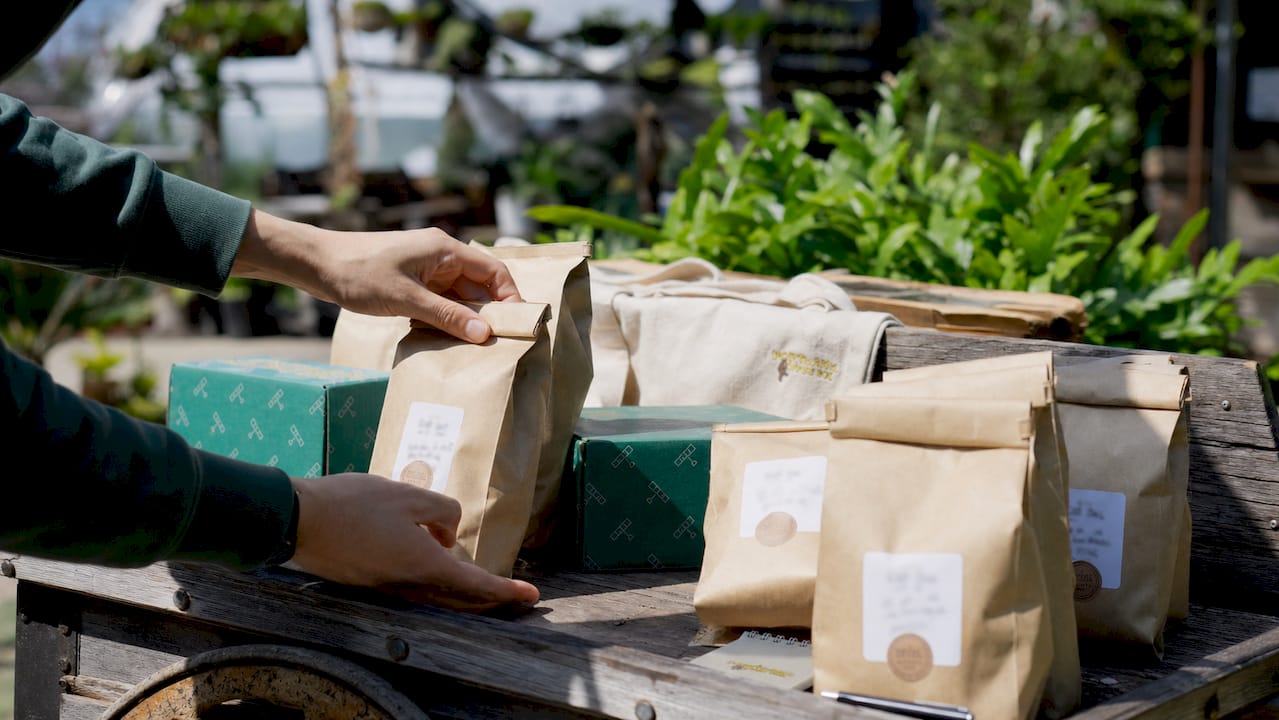
Understanding freshly roasted coffee also means recognizing that rancidity and staleness are different things. Stale coffee loses its brightness and complexity. Rancid coffee has been exposed to moisture or heat and develops off-flavors. Most grocery store coffee is stale, not rancid. The difference matters because stale coffee still tastes like coffee. It just tastes like a much less interesting version of what it could be.
The gap between fresh specialty coffee and typical grocery store coffee is dramatic. Grocery store coffee moves through a supply chain measured in months. By the time it reaches the shelf, and then sits there until purchase, the beans are well past their prime flavor window. The result is flat, bitter coffee with little of the brightness or complexity that makes specialty coffee worth drinking.
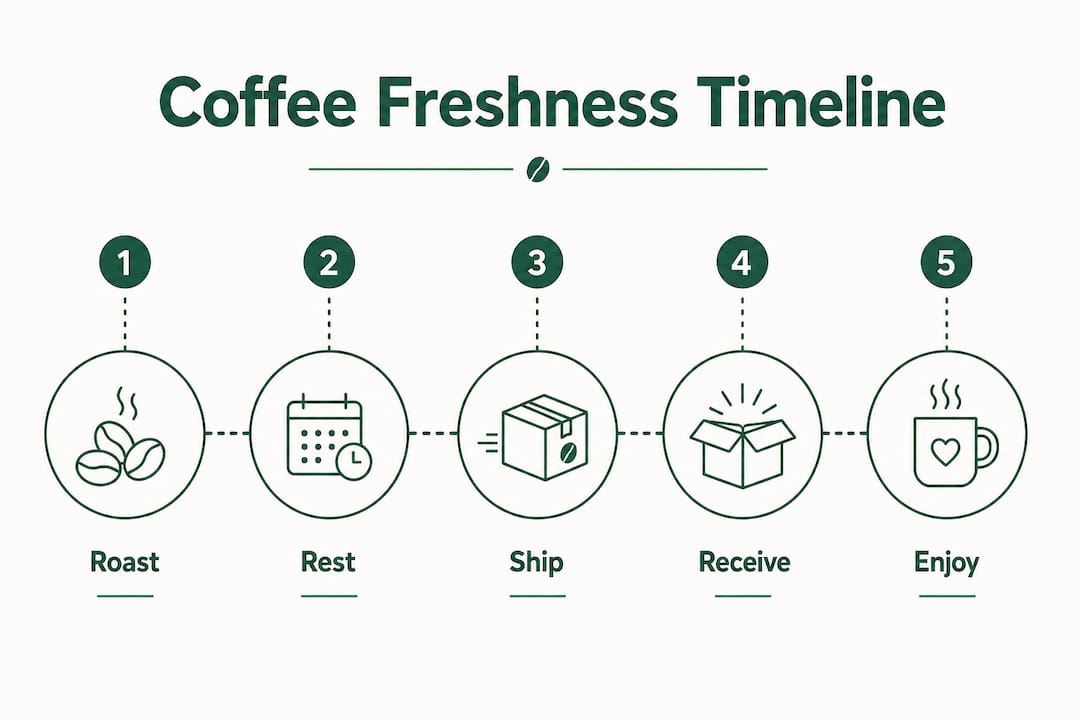
Fresh, small-batch specialty coffee follows a completely different path. Made-to-order roasters typically ship within 48 hours of roasting, and the coffee arrives at the recipient’s door within 3–10 days of the roast date. That timing puts the gift squarely inside the prime flavor window.
The sensory differences are immediate and unmistakable:
Packaging also communicates quality before the recipient even brews a cup. A bag with a printed roast date, a CO2 valve, and thoughtful design tells the recipient that someone cared enough to choose something real. Fresh specialty coffee gifts deliver a sensory quality signal the moment the bag is opened, through aroma, texture, and visible freshness cues. That first impression is part of the gift experience.
Gifting grocery store coffee, by contrast, sends an unintentional message. The recipient may not consciously identify the coffee as stale, but they will notice that the cup is unremarkable. The gift fails not because of price but because of timing and sourcing.
Freshness does not stop mattering once the bag arrives. How the recipient stores and uses the coffee determines whether they enjoy it at its peak or watch it fade. Opened specialty coffee retains peak flavor for about seven days. That window is short, and the right habits protect it.
Follow these steps to keep gifted coffee tasting its best:
Pro Tip: When timing a coffee gift for a birthday or holiday, order from a made-to-order roaster three to five days before the occasion. The beans will arrive in their prime flavor window right when the recipient opens them.
Portion control is one of the most overlooked aspects of coffee gifting. Gifting smaller bags or subscription samplers prevents stale leftovers and keeps every cup within the peak flavor lifespan. A subscription format solves this problem entirely by delivering fresh coffee in regular, right-sized quantities. For gift buyers, this means a coffee subscription gift box often delivers more lasting value than a single large bag.
Understanding home brewing techniques also helps recipients get the most from fresh beans, since brewing method affects how much of the flavor potential actually reaches the cup.
Choosing the right coffee gift means matching roast profile to the recipient’s preferences and timing the order to land in the prime window. Both decisions directly affect how much the recipient enjoys the gift.
Start with roast profile:
Single-origin coffees tell a specific story about place and process. Blends are crafted for consistency and balance. For a novice coffee drinker, a well-balanced medium roast blend is often the most accessible and enjoyable choice.
Timing the order is equally important. Made-to-order specialty coffee ships within 48 hours of roasting and arrives within 3–10 days. Order three to five days before the gifting occasion to hit the sweet spot. Avoid ordering too far in advance, since beans sitting in a closet for two weeks lose their edge before the recipient even opens the bag.
For recipients who drink coffee daily, a subscription gift delivers recurring freshness and variety across multiple deliveries. For occasional drinkers, a single well-timed bag is the better choice. Matching the gift format to the recipient’s actual coffee habits is what separates a thoughtful gift from a generic one. Explore unique coffee presents to find options that match different tastes and occasions.
Freshness is the defining quality of a great coffee gift, and it depends on roast timing, proper storage, and smart portion choices.
| Point | Details |
|---|---|
| Roast date beats best-by date | Always check for a roasted-on date; it is the only reliable freshness reference for specialty coffee. |
| Prime window is 3–10 days post-roast | Order from a made-to-order roaster so the gift arrives inside the peak flavor window. |
| Opened beans last about 7 days | Store in the original sealed bag, away from heat, light, and moisture, and grind just before brewing. |
| Smaller bags preserve freshness | Gift a single well-sized bag or subscription to prevent stale leftovers from a large quantity. |
| Packaging signals quality | A roast date label and CO2 valve communicate thoughtfulness before the recipient brews a single cup. |
I have given a lot of coffee gifts over the years, and the reaction that sticks with me most is not what people say after the first sip. It is what they say when they open the bag. That rush of aroma from a freshly roasted bag is an instant quality signal. Recipients who have never thought much about coffee suddenly ask where it came from. That moment does not happen with a grocery store bag.
The most common gifting mistake I see is buying too much, too early. A large bag purchased two weeks before a birthday sounds generous. In practice, it means the recipient gets coffee that has already passed its best days. A smaller, well-timed bag from a roaster who ships within 48 hours of roasting delivers a far better experience at the same or lower cost.
Freshness also rewards the recipient’s effort. When someone grinds fresh beans and sees the bloom in their cup, they feel the difference. That connection between quality and care is what makes a coffee gift memorable. Price and quantity matter far less than timing and sourcing. Prioritize freshness above everything else, and the gift takes care of itself.
— Cody Salane
Portland Coffee Box curates small-batch specialty coffee from Portland’s top local craft roasters, roasted to order and shipped fast so every bag arrives in its prime flavor window.

The One Bag Coffee Box is the ideal starting point for a fresh, thoughtful gift. Each box features a single bag of freshly roasted beans, handpicked for quality and seasonality, with free shipping on every order. Portland Coffee Box also offers flexible subscriptions in 1, 2, 3, and 4 bag sizes, making it easy to match the gift to the recipient’s coffee habits. Whether you are shopping for a holiday, a birthday, or a corporate occasion, every box delivers the freshness and craft that make a real impression.
Coffee freshness refers to how recently the beans were roasted and how well they have been stored since. Fresh coffee delivers vibrant aroma, complex flavor, and a noticeably better cup than stale alternatives.
Specialty coffee reaches its prime flavor window between 3 and 10 days after roasting. Once opened, beans retain peak flavor for about seven days when stored properly in a sealed bag away from heat, light, and moisture.
Grocery store coffee moves through a supply chain measured in months, meaning it is often well past its prime flavor window by the time it reaches the shelf. The result is flat, bitter coffee that lacks the complexity of freshly roasted specialty beans.
Freezing is not recommended if you plan to consume the beans within a week. Freezing introduces moisture risk and is only worth considering for beans stored longer than two weeks.
Order from a made-to-order roaster three to five days before the gifting occasion. This timing ensures the beans arrive within the 3–10 day post-roast prime window, so the recipient opens the bag at peak freshness.


