


-
Products
-
About Us
-
Roasters
-
Gifts
Yes, you can rotate coffee subscriptions seasonally, and the best services do it automatically. Seasonal rotation means your subscription swaps in fresh coffees that align with harvest cycles and peak-crop availability, so every shipment reflects what’s actually at its best right now. You’re not getting last season’s beans repackaged. You’re getting what the harvest actually delivered.
Here’s what a seasonally rotating subscription typically looks like:
Portland Coffee Box, a 1% For the Planet member, curates small-batch beans from Portland’s top craft roasters and ships them nationwide, rotating selections by season and harvest availability.
The rotation isn’t random. Roasters time their seasonal coffee blends to align with when specific origins reach peak freshness after harvest, so a spring shipment might feature a bright Ethiopian natural process while a winter box leans into a heavier, chocolatey Central American lot. That’s the core logic: harvest cycles drive what rotates in.
Cadence is where most subscribers underestimate the mechanics. Frequency options vary widely, from every week to every 60 days, and matching that cadence to how fast you actually drink coffee is what keeps beans at peak flavor. Receive too often and you’re storing bags past their prime. Too infrequent and you’re waiting.
Roasters typically source through a mix of single-origin drops and seasonal blends. Single-origin drops are limited, tied to a specific farm or cooperative’s harvest window. Seasonal blends give roasters more flexibility to maintain a consistent flavor profile across a season while still rotating the underlying components. Both approaches show up in the best coffee subscription services, and knowing which style a service uses helps you set expectations.
Pro Tip: Match your shipment cadence to your actual consumption. If you go through roughly one 12-ounce bag every two weeks, a bi-weekly cadence keeps you drinking coffee within its peak flavor window, usually two to four weeks post-roast.
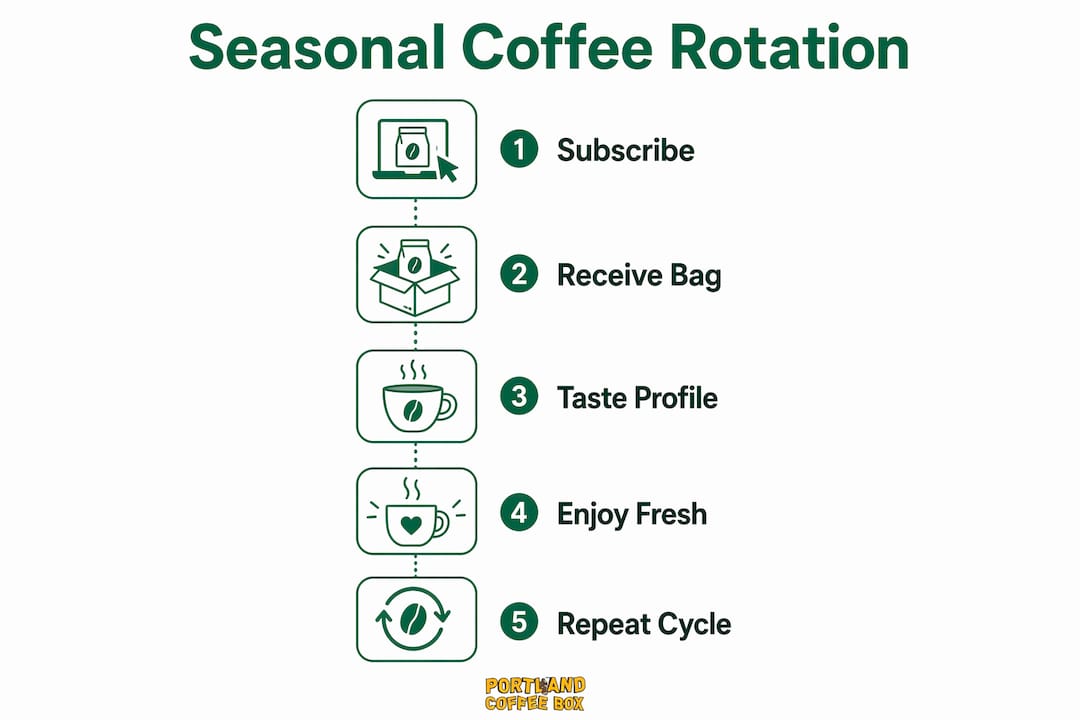
Start by choosing frequency, grind preference, and whether you want rotating blends or single-origin seasonal boxes. Those three decisions shape everything else.
After sign-up, expect an email or shipment card with origin details, tasting descriptors, and the roast date. The roaster handles the rotation from there. You’ll see what’s new each cycle, and the subscription vs. store-bought difference becomes obvious fast: the freshness and curation are in a different category.
Pro Tip: Sign up for a one-bag plan first. It’s the lowest-commitment way to test a roaster’s rotation style, freshness standards, and communication quality before committing to a larger box.
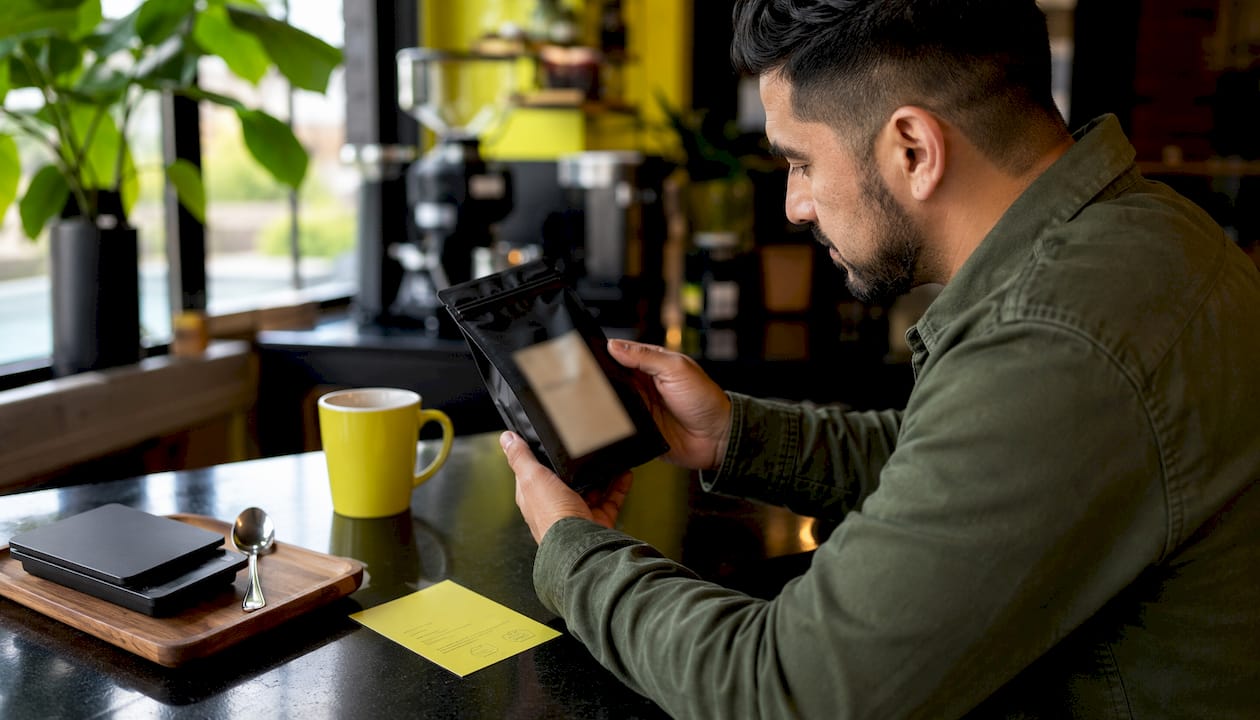
Roast-date transparency is the single most important criterion. If a service won’t tell you when the coffee was roasted, that’s a red flag. Editorial review roundups consistently flag roast-date labeling and origin notes as the features that most influence whether subscribers stay.
Beyond freshness, evaluate these before committing:
Trust signals matter too. Look for sustainability commitments (1% For the Planet membership is one concrete example), named contributors or roasters, and a clear policy for changing or canceling your plan.
| Criterion | What to look for | Red flag |
|---|---|---|
| Roast-date transparency | Labeled on every bag | No date listed |
| Frequency options | Weekly to every 60 days | One fixed cadence only |
| Pause/skip controls | Self-serve, instant | Email-only requests |
| Origin information | Per-shipment notes | Generic “blend” only |
| Sustainability signal | Named program | No mention |
Pro Tip: Before signing up, test the service’s customer support by asking one question about their rotation policy. Response time and quality tell you a lot about how they’ll handle a swap or pause request later.
Seasons bring predictable flavor shifts, though the exact profile depends on origin and processing. As a general map:
The broader food and beverage seasonality trend driving restaurant menus is the same force shaping what specialty roasters offer each quarter. Harvest timing is real, and it shows up in the cup.
| Season | Typical flavor profile | Common roast level |
|---|---|---|
| Spring | Floral, berry, bright acidity | Light |
| Summer | Citrus, clean, stone fruit | Light to medium |
| Fall | Caramel, nutty, warm spice | Medium |
| Winter | Chocolate, molasses, full body | Medium to dark |
Pro Tip: When a shipment arrives, note the roast date and plan to drink it within two to four weeks for peak flavor. Storing beans in an airtight container away from light and heat extends that window slightly, but freshness is time-limited regardless of storage.
The biggest trade-off is variety versus repeatability. You’ll discover more coffees, but you may not be able to re-order a specific bag indefinitely once its harvest window closes. Most enthusiasts consider that forced variety the subscription’s central benefit, but it’s worth knowing before you commit.
Pros:
Cons:
For storage, keep beans in an airtight, opaque container at room temperature. Avoid the refrigerator. Consume within two to four weeks of the roast date for the best experience.
Pro Tip: When a coffee lands that you love, photograph the bag label, note the origin, processing method, and roast date, then check whether the roaster offers that coffee as a one-time add-on. Some roasters alert subscribers when a returning single-origin drop is available.
Most services let you pause, skip, swap, and adjust grind or frequency. Use those controls proactively rather than waiting until you have a backlog of bags on the counter.
Common scenarios and what to do:
For detailed pause and modification steps, Portland Coffee Box’s subscription management guide walks through each scenario.
Portland Coffee Box curates fresh, small-batch beans from Portland’s top craft roasters, rotating selections by season and harvest availability, with free shipping on every order.
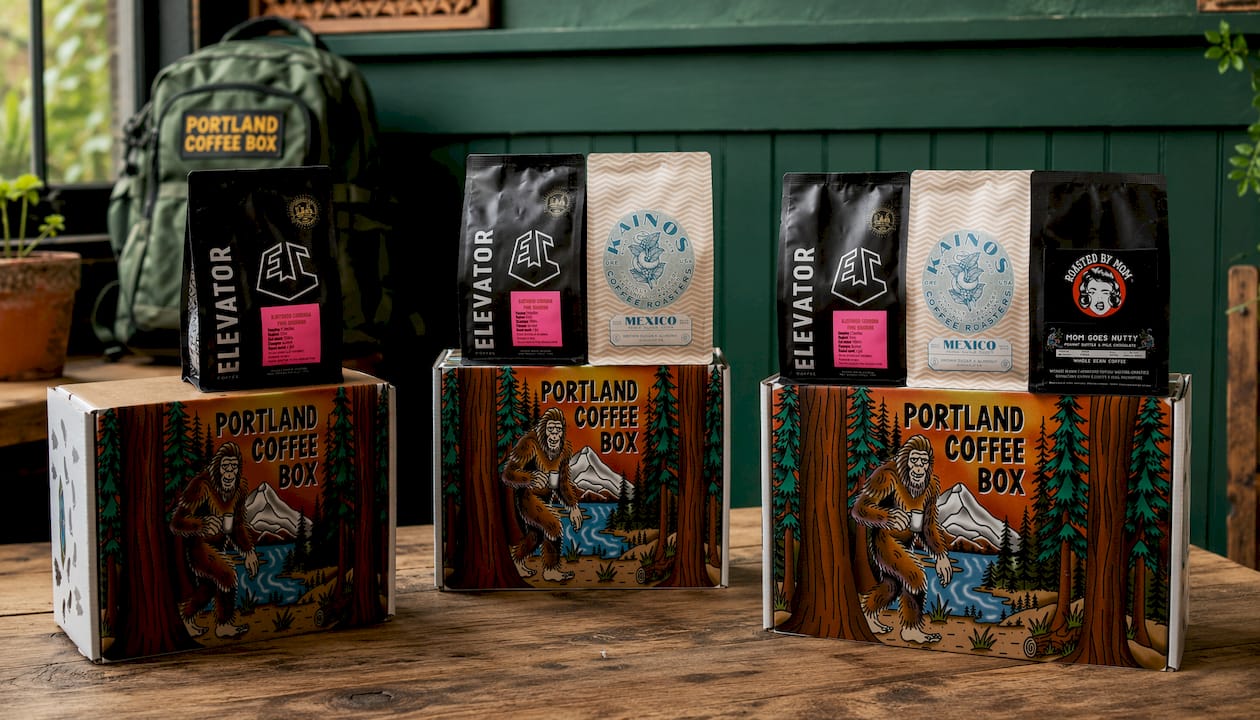
Three options fit different consumption patterns and use cases:
Every shipment includes roast dates, origin details, and tasting notes. Pause, skip, and swap controls are built in. Portland Coffee Box is also a 1% For the Planet member, directing a portion of revenue to environmental causes. Subscription guidance is provided by Cody Salane, whose focus is helping home brewers get the most from rotating seasonal selections. Browse the full subscription collection to pick the plan that fits your cadence.
Rotating coffee subscriptions seasonally works best when cadence, bag size, and roast-date transparency are matched to how you actually drink coffee.
| Point | Details |
|---|---|
| Match cadence to consumption | Choose a frequency that lets you finish each bag within two to four weeks of the roast date. |
| Start with one bag | A single-bag plan is the lowest-risk way to evaluate a roaster’s rotation quality and communication. |
| Prioritize roast-date transparency | Services that label every bag with a roast date give you the information to drink coffee at its best. |
| Use pause and skip controls | Proactive management prevents backlog and keeps your rotation aligned with your actual schedule. |
| Portland Coffee Box options | The Two Bag and Three Bag Coffee Box plans offer rotating seasonal selections with free shipping and flexible controls. |
Rotating seasonally is the fastest way to build a real sense of what coffee can taste like across origins and harvests. The palate develops quickly when you’re not drinking the same bag on repeat. An unexpected favorite, say a washed Guatemalan in November that you’d never have ordered on your own, is the kind of discovery that changes how you think about what’s in your cup. The practical setup is simple: start with a smaller bag, pick a cadence that matches your actual consumption, and note the roast date on every shipment. That habit alone separates subscribers who get real value from rotation from those who just accumulate bags. The seasonal produce principle applies here too: what’s fresh and in season simply tastes better, and coffee is no exception.


