


-
Products
-
About Us
-
Roasters
-
Gifts
Coffee culture trends 2026 coverage reveals a clear story: cold coffee, functional ingredients, and deep personalization are reshaping how the world drinks its daily cup. The global RTD coffee market stands at $32.3 billion, and younger consumers are driving every major shift. Wellness priorities, social media aesthetics, and sustainability values are no longer niche concerns. They are the new standard for what coffee enthusiasts expect from every cup.
Cold coffee is no longer a seasonal preference. It is the default format for a growing majority of specialty drinkers, and the numbers confirm this shift is permanent.
60% of Gen Z prefers cold coffee formats over hot. That preference is not just a taste choice. It signals a generational redefinition of what coffee is supposed to feel like. Cold coffee reads as refreshing, customizable, and photogenic in ways that a plain hot drip does not.
The business case is equally strong. Cold coffee accounts for roughly 70% of US coffee shop revenue. Cafes that leaned into cold formats early are now seeing structural advantages in both volume and margin.
Pro Tip: If you brew at home, cold brew concentrate keeps in the fridge for up to two weeks. Batch it on Sunday and you have café-quality cold coffee every morning without extra effort.
The structural market shift toward cold coffee is not a trend that will reverse. It is a new baseline that every coffee enthusiast and café operator needs to plan around.
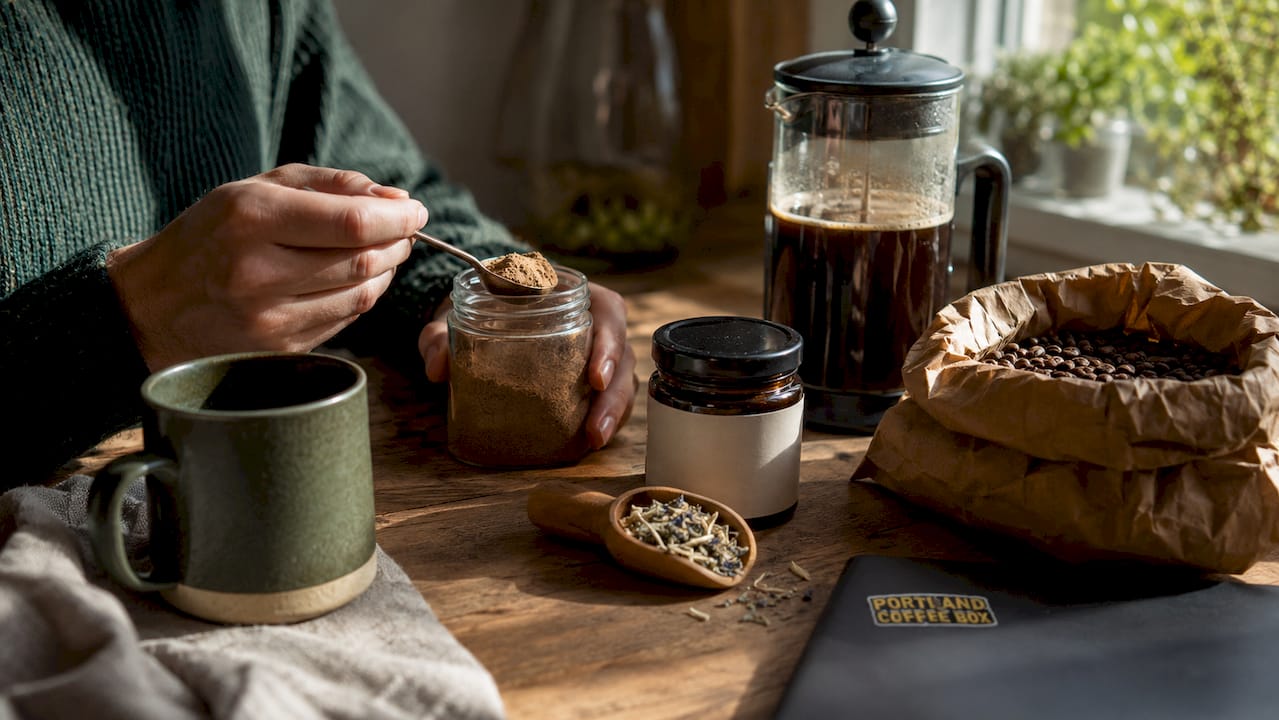
Functional coffee is defined as coffee enhanced with ingredients that deliver a benefit beyond caffeine. Think mushroom extracts, adaptogens, collagen, and protein powders added directly to coffee drinks or ready-to-drink bottles.
The functional coffee market is growing at 17% annually. That rate outpaces the broader specialty coffee market by a wide margin, which tells you this is not a fringe wellness experiment. It is a mainstream category in formation.
The motivations behind this trend are clear. Consumers want mental clarity, sustained energy without crashes, and immune support from their morning routine. Coffee is already a daily ritual, so adding functional ingredients feels like an efficient upgrade rather than a lifestyle overhaul.
Pro Tip: When trying mushroom coffee for the first time, start with a lion’s mane blend. It has the mildest flavor impact and the strongest association with focus and mental clarity.
Cafes face real menu integration challenges here. Functional ingredients add cost and complexity. The brands and shops that solve that equation well will own significant whitespace in the market before the category matures.
Personalization is now the core expectation, not a premium add-on. Specialty coffee drinkers do not want a standard drink. They want their drink, built exactly to their preferences.
Oat milk holds 28.5% of the plant-based milk market in specialty cafes. That share reflects a genuine shift in taste preference, not just dietary restriction. Oat milk’s creamy texture and neutral sweetness make it the closest plant-based match to whole milk in espresso drinks.
Social media accelerates every personalization trend. A visually striking drink with color-layered syrups or a perfectly poured oat milk foam gets shared, and then it gets ordered. Cafes that design for the camera are winning new customers through organic reach alone.
The home barista community is equally invested in customization. Enthusiasts are replicating café-style drinks at home with flavored syrups, specialty milks, and cold brew bases, raising the bar for what a “good cup” means outside a café setting.
Social media is now the primary research and development department for cafes. That is not a metaphor. It is a documented operational reality.
Searches for visually trending drinks surged 1,289% on platforms like TikTok and Instagram. Cafes that use clear cups, color-layered builds, and photogenic garnishes report measurable gains in customer acquisition. The drink has to taste great. It also has to look great on a phone screen.
“Cold is the new default for coffee consumption, with cold drinks representing a major revenue share and a cultural shift especially among young consumers. Visual presentation on social platforms is the single fastest path from trend to mainstream menu item.”
Sustainability is reshaping sourcing and production at the same time. The coffee market is moving toward regenerative agriculture, climate-resilient bean varieties, and low-carbon roasting processes. These are not marketing claims. They are responses to real supply chain pressure from climate change and consumer demand for transparency.
Technology is also entering the cup. Precision brewing equipment, AI-assisted supply chain tracking, and fermentation-controlled processing methods are giving roasters more control over flavor consistency than ever before. The result is a premiumization trend where consumers pay more for coffees with verified provenance and distinctive flavor profiles.
The 25–39 age group is the engine behind specialty coffee growth. 69% of consumers in that age range reported specialty coffee consumption in the past week. That is the highest penetration of any demographic group.
This cohort grew up with craft coffee culture already established. They expect quality, transparency, and variety as baseline features, not premium upgrades. They also spend more per cup and experiment more readily with new formats and ingredients.
Gen Z is close behind, and their influence on visual trends and social media discovery is disproportionate to their current purchasing power. The drinks they make viral today become the standard menu items of tomorrow. Any honest reading of 2026 coffee consumer preferences has to center these two groups.
Here are the five trends with the strongest momentum and the clearest implications for enthusiasts and the industry alike.
Cold and ready-to-drink coffee dominance. Cold formats now represent the majority of specialty café revenue. RTD products are expanding into grocery, convenience, and direct-to-consumer channels at pace.
Functional coffee with mushrooms, adaptogens, and protein. Growing at 17% annually, functional coffee is crossing from wellness niche to mainstream menu fixture. Expect more permanent launches at major chains through the rest of 2026.
Personalization with plant-based milks and flavored syrups. Oat milk leads plant-based options, but almond, macadamia, and coconut milk are all growing. Flavor customization is now expected at every price point.
Social media as the primary trend accelerator. TikTok and Instagram do not just reflect coffee trends. They create them. Visual appeal is now a product feature, not an afterthought.
Sustainability and technology driving premium experiences. Regenerative sourcing, low-carbon roasting, and precision brewing are converging to create a new tier of premium coffee with verifiable quality and ethical credentials.
Pro Tip: Follow independent specialty roasters on social media rather than just major chains. Small roasters adopt and showcase emerging trends months before they reach mainstream menus.
| Trend | Why it matters |
|---|---|
| Cold and RTD coffee | Represents ~70% of US café revenue and growing |
| Functional ingredients | 17% annual growth signals mainstream adoption |
| Plant-based customization | Oat milk at 28.5% share; 59% add syrups |
| Social media influence | Searches for trending drinks up 1,289% |
| Sustainability and tech | Premiumization reshaping consumer expectations |
The defining story of 2026 coffee culture is that cold formats, functional ingredients, and personalization are no longer emerging trends. They are the new standard that enthusiasts and the industry are both building around.
| Point | Details |
|---|---|
| Cold coffee is the default | Cold formats account for roughly 70% of US coffee shop revenue in 2026. |
| Functional coffee is mainstream | The functional coffee market grows at 17% annually, led by mushroom and protein infusions. |
| Personalization drives loyalty | 59% of drinkers add syrups; oat milk holds 28.5% of the plant milk market in specialty cafes. |
| Social media creates trends | Searches for visually trending drinks surged 1,289%, making aesthetics a core product feature. |
| Younger consumers lead | 69% of 25–39 year olds drank specialty coffee in the past week, the highest rate of any age group. |
I have been watching specialty coffee culture shift for years, and 2026 feels different from previous trend cycles. The changes are not cosmetic. They are structural.
Cold coffee’s normalization is the clearest example. A few years ago, ordering an iced latte in january felt like a minor act of rebellion. Now it is unremarkable. That cultural shift matters because it tells you the market has genuinely moved, not just experimented.
The functional coffee wave is the one I find most interesting to watch. The ingredient list is expanding fast, and the quality gap between well-made functional coffee and a gimmicky powder-dump drink is enormous. The brands and roasters getting it right are treating functional ingredients the way great chefs treat seasoning: with restraint and intention. That is where the real opportunity lives for enthusiasts willing to seek it out.
My honest advice is to pay less attention to what the major chains are launching and more attention to what independent Portland roasters and small-batch producers are doing. The independents are where the real craft innovation happens first. By the time a trend reaches a national chain menu, the most interesting version of it already exists somewhere at a smaller scale.
— Cody Salane
The trends shaping coffee culture in 2026 are exciting to read about. They are even better to taste. Portland Coffee Box curates monthly subscriptions from Portland’s top small-batch roasters, selecting beans that reflect the best of what specialty coffee culture is producing right now.
Whether you want to explore single-origin varieties with distinctive processing methods, or you simply want café-quality beans delivered fresh every month, Portland Coffee Box has a subscription built for you. The three-bag subscription is the most popular option for enthusiasts who want real variety across roast profiles and origins. Free shipping is included on every order, and Portland Coffee Box donates a portion of every sale to environmental causes as a 1% For the Planet member. Explore the full subscription collection and find the right fit for your coffee routine.
Cold and ready-to-drink coffee is the dominant trend, accounting for roughly 70% of US coffee shop revenue. The global RTD coffee market is valued at $32.3 billion and continues to grow.
Functional coffee is coffee enhanced with ingredients like mushroom extracts, adaptogens, collagen, or protein. The category is growing at 17% annually because consumers want health benefits built into their existing daily coffee ritual.
Oat milk holds 28.5% of the plant-based milk market in specialty cafes. Its creamy texture and mild sweetness make it the most popular non-dairy option for espresso-based drinks.
Platforms like TikTok and Instagram function as real-time trend accelerators. Searches for visually trending drinks surged 1,289%, and cafes that design photogenic drinks report measurable gains in new customer acquisition.
Adults aged 25–39 lead specialty coffee consumption, with 69% reporting they drank specialty coffee in the past week. Gen Z follows closely and has an outsized influence on which new formats and flavors go mainstream.


