


-
Products
-
About Us
-
Roasters
-
Gifts
Supporting carbon-conscious coffee roasters means choosing brands that actively reduce their carbon footprint through renewable energy, regenerative sourcing, and transparent supply chains. This is not a niche concern. The coffee industry is one of the most resource-intensive agricultural sectors on the planet, and every bag you buy sends a signal about what you value. Roasters like Fulcrum Coffee and programs like Regenagri certification are proving that ethical coffee roasting and great flavor can coexist. When you support carbon-conscious coffee roasters, you become part of a community that is changing how coffee is grown, shipped, and enjoyed.
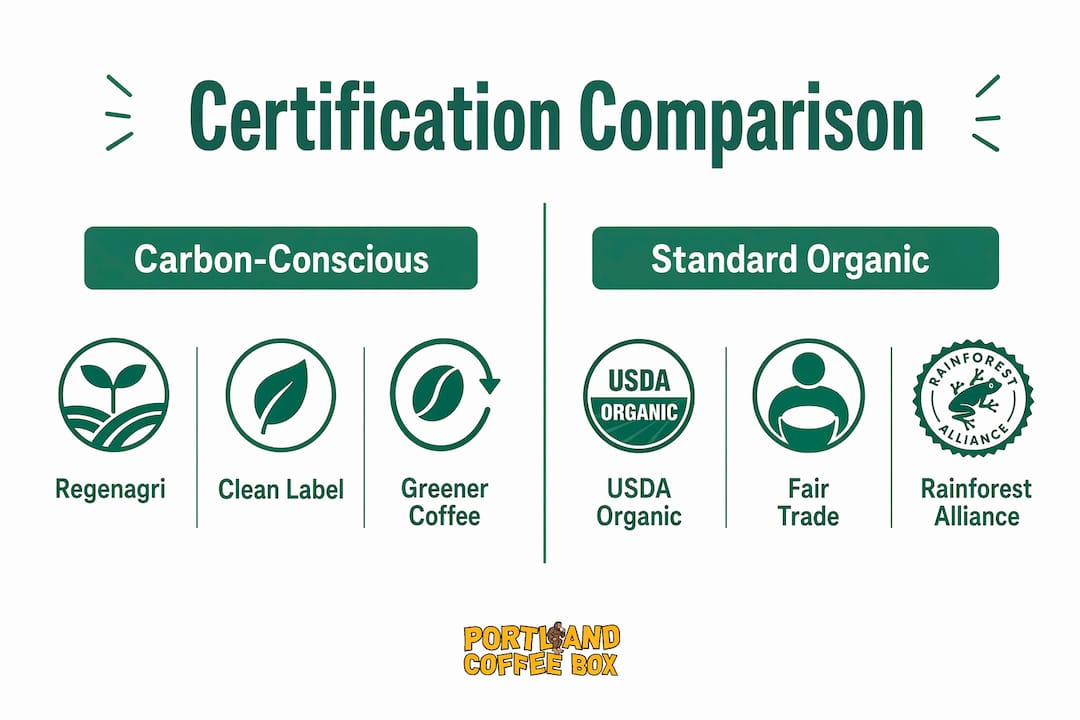
A carbon-conscious coffee brand is defined by measurable actions, not marketing language. The most credible roasters combine renewable energy, efficient technology, regenerative sourcing, and responsible packaging into a single operating philosophy.
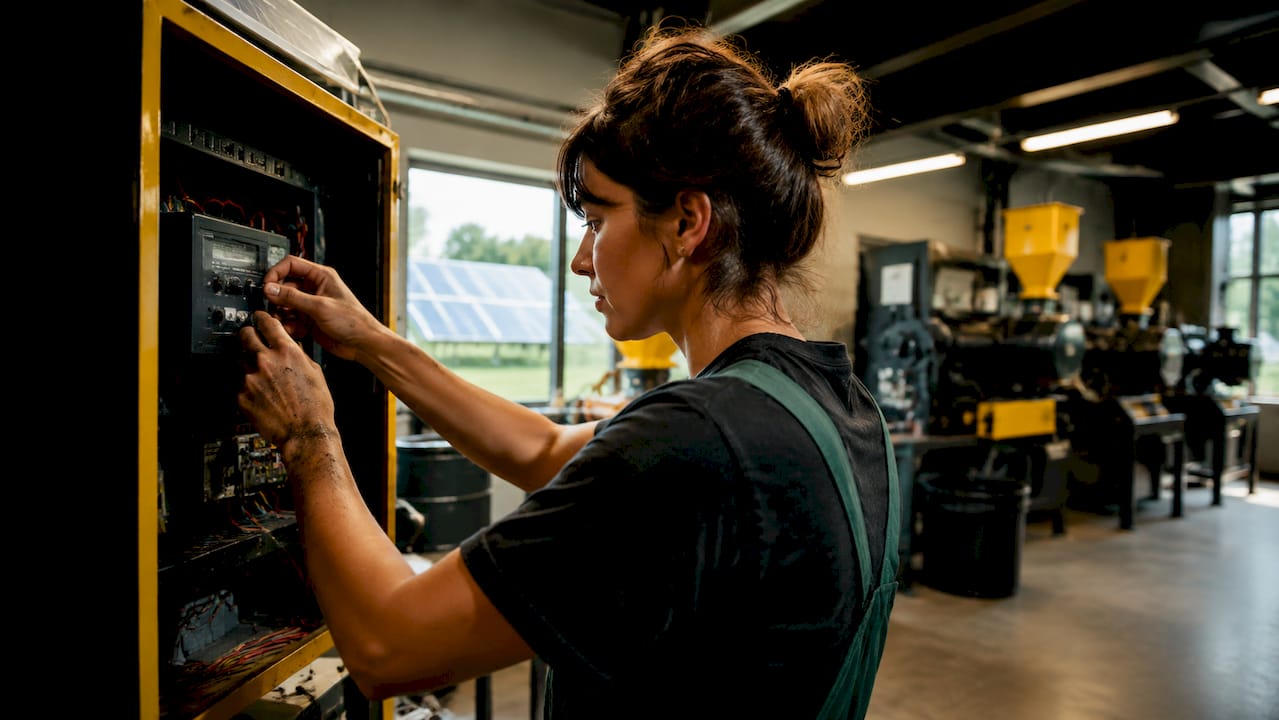
Some specialty coffee roasters use 75% renewable energy across roasting, administration, and delivery operations. That figure matters because roasting is the most energy-intensive step in the production chain. Beyond the energy source, the equipment itself makes a significant difference. Energy-efficient roasting technology can be up to 80% more fuel-efficient by recycling heat during roasting cycles. That reduction directly lowers what the industry calls Scope 1 emissions, the direct greenhouse gases a business produces on-site.
Certifications like Regenagri go beyond organic labeling. Regenagri certification verifies that farms practice regenerative agriculture, which rebuilds soil health, sequesters carbon, and supports biodiversity. The Clean Label Project adds another layer by testing for contaminants and verifying purity claims. Together, these third-party programs give roasters a way to prove their sourcing ethics rather than simply assert them.
Packaging is an underrated part of the carbon equation. Certified compostable coffee pods can reduce carbon emissions by up to 30% compared to traditional plastic capsules. That reduction comes from both the decomposition process and the materials used in production. Nitrogen-flushing and oxygen-barrier packaging extend coffee freshness, which means less product goes to waste and the embedded carbon in every bag gets fully used.
Pro Tip: When evaluating a roaster’s packaging claims, look for industrial composting certification logos, not just the word “compostable.” Home compostable and industrially compostable are very different standards.
Not every emission can be eliminated. Responsible roasters offset what remains through verified programs. Effective carbon offsets focus on projects with verifiable impact, such as Indigenous land management and reforestation, rather than abstract credits. Transparency is the key word here. A roaster that publishes its offset methodology is far more trustworthy than one that simply claims carbon neutrality.
Greenwashing is real, and the coffee industry is not immune to it. Here is a numbered framework for evaluating sustainable coffee suppliers with confidence.
| Certification | What It Verifies | Best For |
|---|---|---|
| Regenagri | Regenerative farming, soil health, carbon sequestration | Farm-level sustainability |
| Clean Label Project | Contaminant testing, product purity | Consumer health and transparency |
| Rainforest Alliance | Biodiversity, worker welfare, sustainable land use | Broad environmental and social standards |
| 1% For the Planet | Revenue donation to environmental causes | Brand-level environmental commitment |
This table is not exhaustive, but it covers the certifications most relevant to carbon-conscious coffee in 2026. A roaster holding multiple certifications across different categories is a strong indicator of genuine commitment.
Knowing what makes a roaster carbon-conscious is only half the work. The other half is translating that knowledge into purchasing habits that create real demand for sustainable practices.
Pro Tip: Ask your roaster directly: “Can you show me your carbon offset documentation?” A roaster with nothing to hide will answer immediately. One that deflects or gives vague answers probably has something to hide.
Subscription services make this process easier. Portland Coffee Box curates beans from local craft roasters who meet high standards for quality and sustainability, so you do not have to audit every roaster yourself.
Several myths slow down consumer progress in this space. Clearing them up makes you a more effective advocate for sustainable coffee.
“Carbon-neutral coffee supports ESG reporting, public sector standards, and corporate responsibility.” Balmforth & Co identifies this as a growing driver for businesses choosing sustainable suppliers, and the same logic applies to individual consumers who want their values to be consistent.
The greenwashing problem is real but solvable. Third-party certifications, transparent sourcing pages, and platforms like Greener Coffee give you the tools to tell the difference between a genuine commitment and a marketing claim.
Supporting carbon-conscious coffee roasters requires verifying certifications, choosing direct trade sourcing, and prioritizing packaging and energy practices that create measurable emissions reductions.
| Point | Details |
|---|---|
| Certifications matter most | Look for Regenagri and Clean Label Project logos to verify genuine environmental claims. |
| Renewable energy is the baseline | Leading roasters power 75% of operations with renewable energy, setting the standard to match. |
| Packaging reduces real emissions | Certified compostable pods cut carbon emissions by up to 30% versus plastic capsules. |
| Direct trade funds sustainability | Models paying farmers over 80% of purchase price enable climate-resilient growing practices. |
| Sail freight is a game-changing option | Choosing roasters using sail freight can cut transportation emissions by 84–95%. |
By Cody Salane
I have spent years watching the specialty coffee world wrestle with sustainability, and here is what I have found: most consumers are far more powerful than they think, and most roasters are far more responsive to demand than they let on.
The certifications and transparency platforms that exist today did not exist a decade ago. Regenagri, Greener Coffee, and direct trade pricing models emerged because enough people asked hard questions and voted with their wallets. That is not a small thing.
What I push back on is the idea that sustainability is a premium feature reserved for high-end buyers. Fulcrum Coffee’s pricing model proves that wrong. When roasters invest in energy-efficient equipment that recycles 80% of roasting heat, their operating costs drop. Those savings can be passed on. The assumption that green coffee always costs more is outdated.
The area where I think consumers still underestimate their impact is transportation. Most people focus on the roasting process and ignore the fact that sail freight can cut shipping emissions by up to 95%. That is a staggering number. Roasters who use it deserve recognition, and consumers who ask about it are pushing the whole industry toward better logistics.
My honest advice: do not wait for perfection. Find a roaster who is transparent, who names their farms, who shows their offset documentation, and who is moving in the right direction. Support them consistently. That steady, informed loyalty is what gives small roasters the financial foundation to keep improving.
— Cody Salane
Portland Coffee Box was built around exactly this kind of intentional sourcing. As a 1% For the Planet member, Portland Coffee Box donates a portion of every subscription to environmental causes, and every monthly box features small-batch beans handpicked from Portland’s top craft roasters, many of whom prioritize renewable energy and transparent supply chains.
Whether you are new to sustainable coffee or looking to deepen your commitment, a three-bag subscription gives you a curated monthly rotation of light, medium, and dark roasts from roasters who take their environmental responsibility seriously. Not sure where to start? Grab a free bonus bag and taste what carbon-conscious craft roasting actually delivers. Free shipping is included on every order, nationwide.
A carbon-conscious coffee brand is one that actively measures, reduces, and offsets its greenhouse gas emissions across growing, roasting, packaging, and shipping. These brands typically hold third-party certifications like Regenagri and publish transparent sourcing and offset documentation.
Certified compostable coffee pods reduce carbon emissions by up to 30% compared to traditional plastic capsules because they decompose in industrial conditions within days and require fewer fossil-fuel-derived materials to produce.
Not necessarily. Some roasters price eco-friendly products within 5% of standard offerings, and energy-efficient roasting technology that recycles up to 80% of roasting heat can lower operating costs over time, keeping prices competitive.
Sail freight is the practice of shipping coffee by wind-powered vessels rather than standard container ships. It can reduce CO2 emissions from transportation by 84–95%, making it one of the most impactful logistics choices a roaster can make.
Look for third-party certification logos, named farm sourcing, and published offset documentation tied to verified registries. Platforms like Greener Coffee provide real-time environmental impact data, and direct trade models with transparent pricing are strong indicators of authentic commitment.


