


Sourcing local roasted coffee for office use is the practice of partnering directly with nearby specialty roasters to supply fresh, small-batch beans to your workplace. Coffee freshness degrades quickly after roasting due to volatile aromatic loss, which means mass-market blends roasted months earlier simply cannot compete on taste or aroma. Roasters like Matubu Coffee Roastery and Lygon Coffee demonstrate that the right local supplier acts as a true consultant, not just a vendor, adjusting roast profiles to match your brewing equipment and delivery schedule. The result is better coffee, fewer complaints, and a workplace culture that genuinely values the people in it.
Before you contact a single roaster, you need a clear picture of your current setup. Skipping this step is the most common reason office coffee programs fail within the first three months.
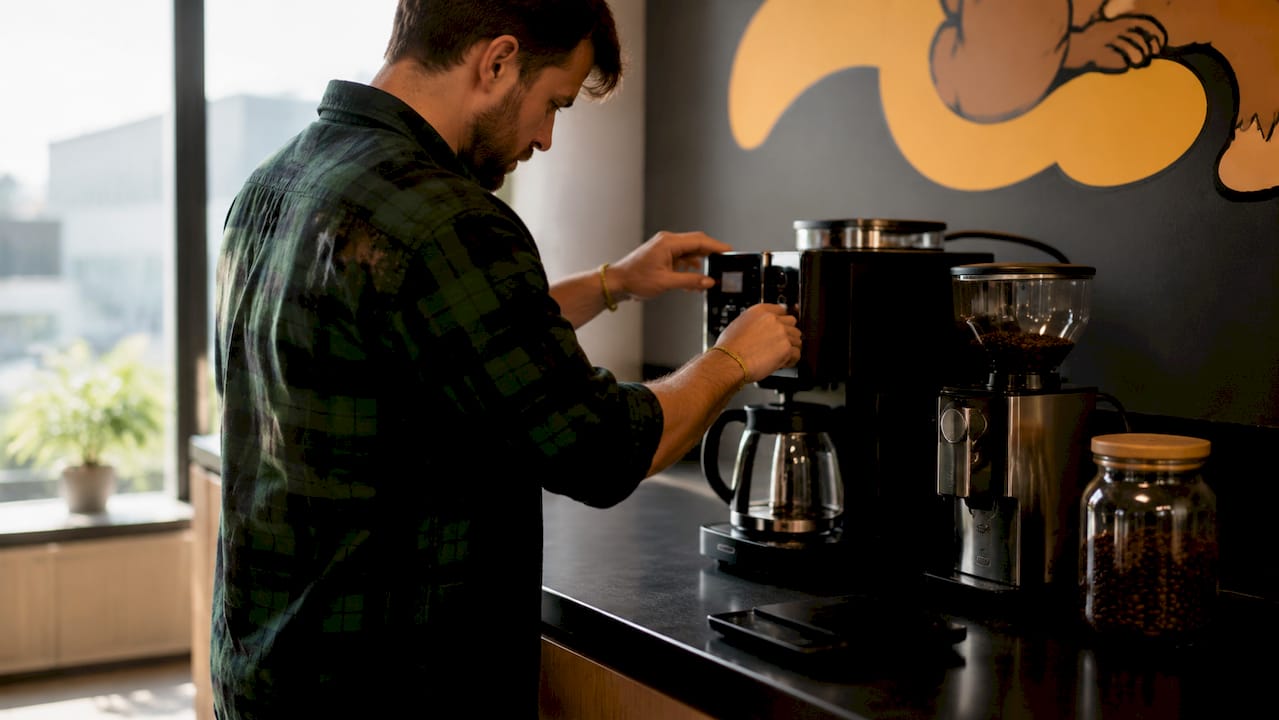
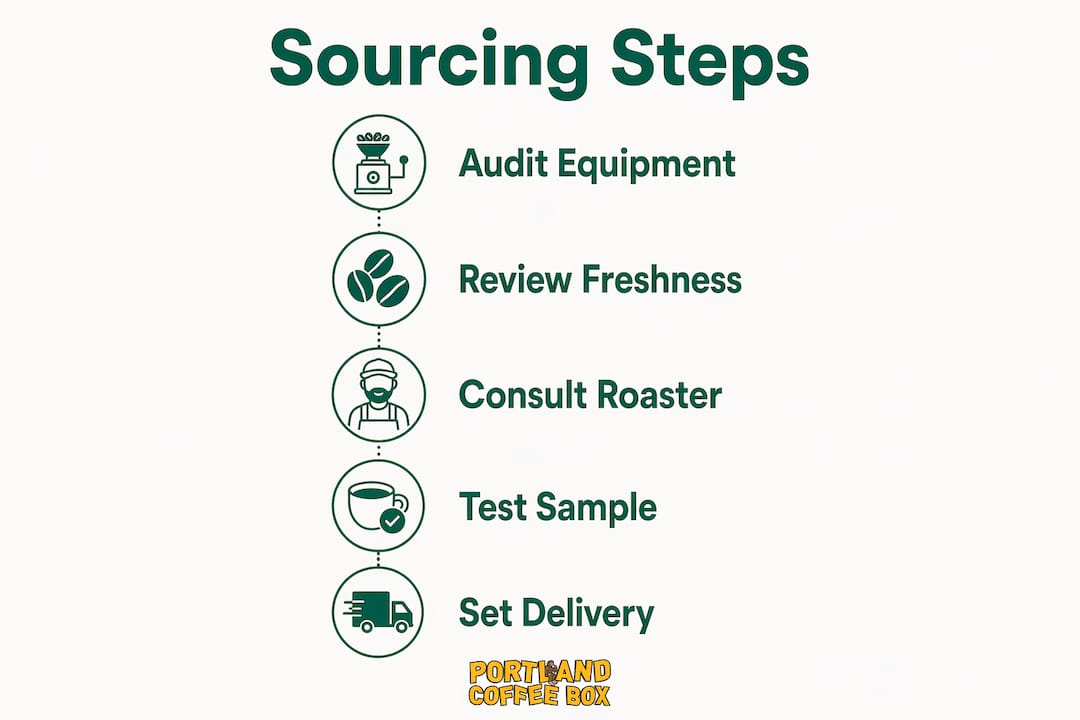
Start by auditing your brewing equipment. The type of machine you run determines which roast profiles will actually work. Automatic bean-to-cup machines, drip brewers, and espresso machines each have different requirements, and matching roast profile to machine type directly improves employee experience and machine longevity. A roaster cannot help you if you cannot tell them what you are brewing on.
Next, estimate your daily consumption. A team of 20 moderate coffee drinkers typically consumes 40–60 cups per day. That volume translates directly into order frequency and bag size, and getting it wrong in either direction creates waste or shortages.
Here is what to gather before your first supplier conversation:
Pro Tip: Ask your current supplier for a roast date on your last delivery. If it is more than 30 days old, you already have a strong case for switching to a local roaster.
Not every roaster with a beautiful Instagram feed is equipped to supply a busy office reliably. The best local coffee suppliers combine craft with logistics, and you need to assess both.
The single most important criterion is freshness. Fresh specialty beans delivered within 48 hours of roasting preserve the volatile aromatic compounds responsible for flavor complexity. Ask every candidate roaster directly: what is your standard lead time from roast to delivery? Any answer longer than 72 hours deserves a follow-up question.
Sourcing transparency matters just as much. A roaster who can tell you the origin country, altitude, processing method, and certifications for every bean they sell is a roaster who takes quality seriously at every step of the chain.
| Evaluation Criterion | What to Ask | Why It Matters |
|---|---|---|
| Freshness cycle | “What is your roast-to-delivery window?” | Flavor peaks within days of roasting |
| Sourcing transparency | “Can you share origin and processing details?” | Traceability signals quality commitment |
| Equipment consultation | “Can you match roast profiles to our machines?” | Prevents sour or dull coffee from mismatches |
| Delivery logistics | “Do you offer subscription or recurring orders?” | Consistent freshness without manual reordering |
| Support services | “Do you assist with machine maintenance or training?” | Reduces downtime and staff frustration |
A single-supplier approach that covers both beans and machine support simplifies service agreements and removes the finger-pointing that happens when your coffee tastes off and no one knows whether to blame the beans or the equipment.
Pro Tip: Request a roaster consultation before placing your first order. Roasters who treat this as standard practice are the ones worth working with long-term.
Bean selection is where most office managers get lost, and understandably so. The good news is that one framework covers most situations.
Bean origin, altitude, varietal, and processing method all shape flavor before the roaster touches the beans. Arabica varieties from Ethiopia tend toward bright, fruity notes. Colombian Arabica typically delivers a balanced, nutty cup. These origin characteristics carry through into the final brew, which is why freshness amplifies rather than creates flavor.
Roast level should follow your equipment, not personal preference alone:
| Roast Level | Best Equipment Match | Flavor Profile | Risk to Avoid |
|---|---|---|---|
| Light | Drip, pour-over | Bright, fruity, complex | Can taste sour if under-extracted |
| Medium | Automatic, drip | Balanced, nutty, approachable | Minimal risk; best all-office choice |
| Dark | Espresso machines | Bold, low-acid, roasty | Oily beans clog automatic grinders |
Always run a pilot before committing to bulk orders. Order a sample bag, brew it on your actual office equipment, and collect honest feedback from five to ten colleagues. That one step saves you from a 10-kilogram mistake.
Great beans go stale fast without the right systems behind them. Delivery frequency and storage conditions are as important as the beans themselves.
For medium-volume offices brewing 50–100 cups per day, ordering one-kilogram bags weekly or biweekly balances freshness against bulk pricing. Buying a month’s supply at once feels efficient but guarantees stale coffee by week three. Freshness is not a luxury. It is the entire point of buying local in the first place.
Follow these steps to protect your investment once the beans arrive:
Pro Tip: Whole beans stay fresh significantly longer than pre-ground coffee. If your office currently buys pre-ground, switching to whole beans with a quality grinder is the single highest-impact upgrade you can make.
Most office coffee programs that fail do so for predictable reasons. Knowing them in advance puts you well ahead of the curve.
Ignoring equipment compatibility. Skipping the consultation step and ordering whatever roast sounds appealing is the fastest route to sour, flat, or bitter coffee. Roasters act as consultants by adjusting roast profiles and blends to suit specific brewing equipment. Use that expertise.
Overordering to save money. Bulk pricing is tempting, but stale coffee costs more in employee dissatisfaction than it saves on the invoice. Order for freshness first, then negotiate pricing on frequency rather than volume.
Treating the roaster as a one-time vendor. The offices that get the best coffee are the ones that maintain an ongoing dialogue with their roaster. Share feedback. Ask questions. Tell them when something tastes off. That relationship is what separates craft roasted coffee for business from a commodity transaction.
Underestimating total cost of ownership. Specialty beans cost approximately $0.22 per cup compared to $0.35 or more for capsule systems when you factor in waste, maintenance, and energy usage. The misconception that local coffee is more expensive dissolves quickly once you run the actual numbers.
Ignoring employee feedback. Your colleagues are the end users. A quick monthly pulse check asking whether the coffee tastes good and what they would change costs nothing and prevents months of quiet dissatisfaction.
Sourcing local roasted coffee for your office requires matching fresh, small-batch beans to your specific brewing equipment, ordering at the right frequency, and treating your roaster as a long-term partner rather than a commodity supplier.
| Point | Details |
|---|---|
| Freshness is non-negotiable | Beans delivered within 48 hours of roasting preserve the flavor compounds that make specialty coffee worth drinking. |
| Equipment drives roast selection | Automatic machines need medium roasts; espresso machines suit darker roasts; avoid oily beans in humid environments. |
| Order frequency beats bulk volume | Weekly or biweekly orders for medium offices preserve freshness better than large monthly purchases. |
| Roasters are consultants | The best local suppliers adjust roast profiles, support equipment, and troubleshoot taste issues as partners. |
| Local coffee costs less than capsules | Specialty beans run approximately $0.22 per cup versus $0.35 or more for capsule systems at scale. |
I have seen a lot of office coffee programs, and the pattern is almost always the same. Someone orders a big bag of beans from a national distributor, sets up the machine, and calls it done. Then six months later, half the team is buying coffee on the way in because the office stuff tastes flat.
The problem is not the equipment. It is the sourcing mindset. Most offices treat coffee like a utility, something to check off the supply list alongside printer paper and hand soap. But coffee is the one consumable that directly shapes how people feel at work, and the quality difference between a freshly roasted local bean and a mass-market blend is not subtle. It is the difference between a cup you look forward to and one you tolerate.
What I find most underused is the consultative relationship with the roaster. Roasters who supply offices know their craft deeply. They can look at your machine model, your team size, your office humidity, and your flavor preferences and build a program around all of it. That is not a premium service. That is just what good local roasters do when you ask. The offices that tap into this relationship consistently report better coffee and fewer complaints, without spending more money.
The cost argument against local coffee also falls apart under scrutiny. When you factor in capsule waste, machine maintenance, and the energy cost of pod systems, local specialty beans almost always come out ahead. The real investment is not financial. It is the ten minutes you spend building a relationship with a roaster who genuinely cares about what ends up in your cup.
View coffee sourcing as a workplace culture decision, not a procurement task. The offices that do this well are the ones where people actually want to show up.
— Cody Salane
Portland Coffee Box curates fresh, small-batch beans from Portland’s top local craft roasters and ships them nationwide with free shipping on every order. Each box is handpicked for quality, variety, and seasonality, so your team gets a rotating selection of light, medium, and dark roasts that never go stale or predictable. You can explore the roaster profiles behind every bean before you commit to a subscription.
Subscriptions come in flexible sizes from one to four bags, making it easy to match your order to your team’s actual consumption. The four-bag subscription suits larger offices, while the two-bag option works well for smaller teams or those just getting started. New customers can try a free bonus bag to taste the difference before subscribing. Portland Coffee Box is also a 1% For the Planet member, so every order supports environmental causes alongside great coffee.
Local roasted coffee refers to beans sourced from nearby specialty roasters who roast in small batches and deliver within days of roasting. This preserves the aromatic compounds that give specialty coffee its flavor complexity, unlike mass-market blends roasted months in advance.
Medium-volume offices brewing 50–100 cups per day should order one-kilogram bags weekly or biweekly. This frequency balances freshness against cost and prevents the stale stock that builds up with large monthly orders.
Local roasters deliver beans within 48 hours of roasting, while supermarket brands are typically roasted weeks or months before purchase. That freshness gap is the primary reason craft roasted coffee for business tastes noticeably better.
Specialty beans cost approximately $0.22 per cup compared to $0.35 or more for capsule systems when you include waste, maintenance, and energy. Local coffee is typically the more cost-effective choice at office scale.
Ask your roaster to recommend a roast profile based on your machine type. Automatic machines perform best with medium roasts, espresso machines suit darker roasts, and drip brewers work well with light to medium options. Avoid oily dark roasts in automatic grinders, especially in humid office environments.


